


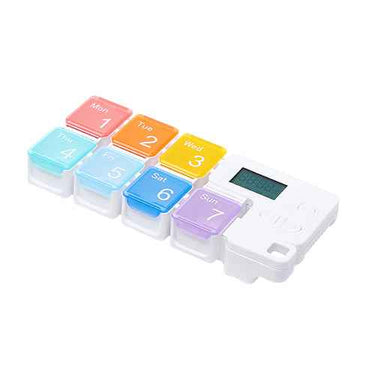
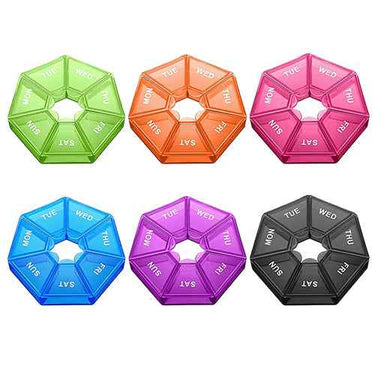
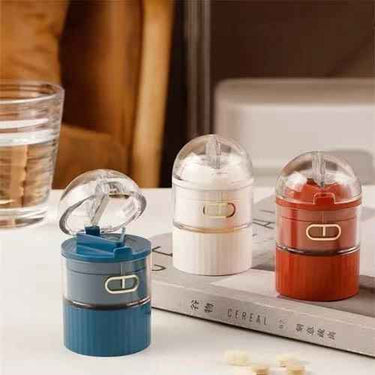
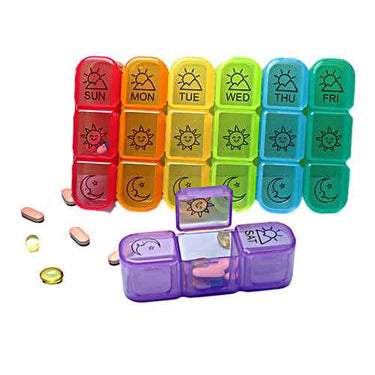



The global smart pill boxes market and smart medication bottle industry are entering a phase of steady but meaningful growth. According to Strategic Market Research, the market is projected to expand from USD 165 million in 2024 to USD 270 million by 2030, with a compound annual growth rate (CAGR) of 8.6%.
The numbers may not look explosive at first glance, but the forces driving this market are exceptionally strong.
What makes this sector worth watching is that it sits at the intersection of three rapidly evolving industries: healthcare, consumer electronics, and digital medication adherence solutions. In other words, smart pill boxes are no longer viewed as simple storage containers or traditional medical devices. They are becoming part of a new category of connected healthcare technology.
For companies exploring the smart medication adherence devices market, the opportunity lies not only in hardware sales but also in long-term healthcare integration, remote patient monitoring, and preventive care management.
Poor medication adherence remains one of the largest hidden cost drivers in healthcare systems worldwide.
Chronic conditions such as diabetes, hypertension, cardiovascular disease, and mental health disorders depend heavily on consistent medication routines. Missing doses does not simply delay recovery — it often leads to hospital readmissions, worsening complications, and significantly higher long-term healthcare costs.
Importantly, this is rarely about patients “not caring” about their health.
Many chronic disease patients manage multiple medications simultaneously, each with different schedules, dosage requirements, and restrictions. Relying entirely on memory inevitably leads to mistakes. Worse, the consequences of missed medication are often delayed. A forgotten dose today may not become apparent until weeks later, during an emergency visit or a serious complication.
As a result, healthcare systems are beginning to treat medication adherence as a measurable clinical outcome rather than solely a patient responsibility. This shift is critical.
Once adherence becomes a healthcare KPI, hospitals, insurers, pharmacies, and caregiving organizations all gain financial motivation to invest in tools that improve it. This is exactly where smart pill boxes, smart medication dispensers, and connected pill organizers fit naturally into the market.

Bluetooth-Enabled Smart Pill Boxes
Bluetooth-enabled devices are currently the most common category within the smart pill box market.
Users typically connect the device to a mobile app for setup, synchronization, medication reminders, and adherence tracking. The biggest advantage is affordability — these devices avoid the ongoing costs associated with cellular data plans.
However, the downside is dependency on smartphones. If the patient forgets the phone, runs out of battery, or struggles with app navigation, the system’s effectiveness declines significantly.
In real-world scenarios, this becomes one of the biggest barriers for elderly users.
Wireless / Cellular-Connected Devices
Cellular-enabled smart pill dispensers include built-in SIM connectivity, allowing them to send data independently without relying on home Wi-Fi or patient smartphones.
For seniors living alone or patients with cognitive decline, this is often the more reliable option. Caregivers can receive real-time missed-dose alerts even if the patient forgets how to operate the device entirely.
The tradeoff is higher hardware cost combined with monthly data fees.
Currently, these products are most commonly distributed through B2B channels such as home healthcare providers, remote patient monitoring programs, and assisted living organizations.

Standalone Smart Medication Devices
Some smart pill organizers are intentionally designed without internet connectivity.
These devices rely on local reminder systems such as alarms, LED indicators, rotating medication trays, or timed compartments. While they lack remote monitoring and cloud analytics, they offer simplicity, stability, and fewer privacy concerns.
For users with low technology acceptance who do not require active caregiver supervision, standalone devices are often sufficient.
In many ways, these products are positioned more as “enhanced pill organizers” than full digital healthcare platforms.

Personalized Medication Reminders
Modern medication reminder systems go far beyond a single daily alarm.
Advanced smart pill boxes can accommodate varying schedules, including fasting medications, post-meal medications, alternating weekly prescriptions, and personalized sleep routines. The best systems only notify users when a specific medication is required instead of creating constant, generalized alerts.
Caregiver Alerts
Caregiver notification systems are one of the most important differentiators between traditional pill organizers and connected medication adherence devices.
When users miss doses, take incorrect medication, or repeatedly fail to access medication compartments, the system can automatically alert designated caregivers or healthcare professionals.
For healthcare providers, this reduces manual monitoring workload. For family members, it reduces anxiety and uncertainty.
However, alert sensitivity must be carefully balanced. Excessive notifications create fatigue, while delayed alerts reduce intervention effectiveness.
Behavioral Guidance Systems
Behavioral guidance features move beyond simply “reminding” patients to take medication.
Examples include illuminated compartments, voice instructions, step-by-step medication prompts, and positive reinforcement after successful medication retrieval.
For patients experiencing early-stage cognitive decline, these systems help preserve independent living capabilities for a longer period of time.
Intervention Workflow Integration
This feature category is designed primarily for institutional healthcare users.
Instead of only generating alerts, advanced systems can trigger predefined intervention workflows. Examples include automatically generating caregiver tasks, updating electronic health records (EHRs), or notifying physicians to review medication plans.
The real value here is transforming “problem detection” into actionable healthcare responses.

Elderly Care and Cognitive Impairment Patients
The strongest demand comes from elderly patients, Alzheimer’s patients, and individuals with cognitive impairment.
These users generally share the same challenge: they need medication consistently but struggle with memory and execution. In this context, smart medication dispensers function less as “supervision tools” and more as systems that partially replace declining executive function.
Interestingly, the actual end user is often not the patient.
The real customer is frequently the caregiver — someone seeking fewer emergency visits, lower stress levels, and immediate visibility when problems occur. A device capable of automatically reporting medication adherence essentially reduces the caregiver’s attention burden.
Home Healthcare Agencies
Home healthcare providers are one of the most natural distribution channels for smart pill boxes.
Caregivers cannot remain physically present 24/7, yet medication adherence directly impacts care quality and hospital readmission rates. By deploying connected medication devices at scale, agencies can monitor large patient populations more efficiently.
Their priorities are practical:
Device reliability
Easy deployment
Multi-user dashboard management
Stable connectivity
Minimal technical support requirements

Hospitals and Clinics
Hospitals are especially focused on post-discharge medication adherence.
The first month after discharge often represents the highest risk period for medication noncompliance and avoidable readmissions. Providing high-risk patients with smart medication adherence devices can help reduce penalties associated with readmission rates.
Clinics, meanwhile, often use these systems within chronic disease management programs, particularly for patients struggling with blood pressure or glucose control.
Long-Term Care and Assisted Living Facilities
In assisted living environments and nursing facilities, smart pill boxes supplement existing medication workflows rather than replace staff entirely.
Care teams may still distribute medications manually, but connected devices create verifiable adherence records, timestamp tracking, and dosage confirmation.
For partially independent seniors with mild cognitive decline, these systems allow facilities to maintain resident autonomy while improving safety oversight.
Pharmacies and Retail Chains
Retail pharmacy channels operate under a different logic.
Many smart pill box purchases are made by family members rather than patients themselves. Pharmacies provide a highly visible consumer touchpoint where these products can naturally integrate into chronic care management programs.
Some pharmacy chains are already exploring medication adherence services that bundle prescriptions with smart medication management devices.
Insurance Providers and Healthcare Payers
Insurance companies arguably have the strongest financial incentive.
Lower hospitalization rates directly reduce claims costs. Several healthcare systems in the United States and Europe have already begun pilot reimbursement programs for smart medication adherence devices.
If large-scale reimbursement adoption expands, the market could shift rapidly from slow consumer-driven growth to large institutional purchasing cycles.

North America
North America currently dominates the smart pill boxes market, driven by stronger healthcare spending capacity and mature remote patient monitoring infrastructure.
The United States remains the largest contributor due to its aging population, chronic disease prevalence, and expanding digital healthcare ecosystem.
Europe
Europe follows closely behind, particularly Germany, the United Kingdom, and Nordic countries, where digital elderly care initiatives are advancing rapidly.
Government-supported healthcare systems in these regions increasingly prioritize preventive care and medication adherence technologies.
Asia-Pacific
The Asia-Pacific region is experiencing the fastest growth rate, although from a smaller base.
Japan represents one of the strongest regional opportunities due to severe population aging and high purchasing power. China offers enormous long-term potential because of its massive chronic disease population, though the market remains highly price-sensitive and still heavily dependent on self-pay consumers.
One of the earliest weaknesses of smart pill boxes was that they looked overly clinical.
Large plastic devices with obvious medical aesthetics often created psychological resistance in home environments. Many users disliked the constant visual reminder of illness, even if the product worked well functionally.
As a result, product design is becoming increasingly important.
Modern smart pill box manufacturers are focusing on:
Smaller product footprints
Home-friendly aesthetics
Minimalist industrial design
Portable travel-friendly formats
Modular medication compartment systems
Another major direction is customization. Instead of forcing users into fixed compartment configurations, modular systems allow patients to adjust storage layouts based on medication complexity.
This flexibility is becoming an increasingly important competitive advantage within the smart medication dispenser market.

Market Opportunities
The continued growth of remote patient monitoring and home healthcare creates a natural entry point for smart medication adherence devices.
Since the pandemic, both patients and healthcare institutions have become far more comfortable with remote care models. Smart pill organizers integrate naturally into these ecosystems.
Insurance providers are also increasingly focused on reducing avoidable hospitalizations, creating long-term reimbursement opportunities. Once mainstream reimbursement expands, the market could accelerate far beyond its current growth trajectory.
Integration with digital therapeutics and AI-powered healthcare platforms may represent the next major evolution.
Future systems may analyze delayed medication behavior patterns to predict upcoming adherence risks before they occur, transforming smart pill boxes from passive tracking devices into predictive healthcare tools.
This transition will likely separate future market leaders from commodity hardware manufacturers.
Market Constraints
Despite the opportunity, several major challenges remain.
Advanced smart pill dispensers still carry relatively high upfront costs, limiting adoption in price-sensitive markets and smaller healthcare organizations.
For many self-pay users, the calculation is practical: does the device save enough future healthcare expenses to justify the initial investment?
Technology usability also remains a major barrier for elderly populations.
Device setup, app navigation, connectivity troubleshooting, and ongoing maintenance continue to create friction. This issue is repeatedly acknowledged across the industry but has not yet been fully solved.
Ultimately, the companies that simplify onboarding into a process as easy as:
Open the box → Insert batteries → Load medication → Start using
will likely capture the largest share of the future smart pill boxes market.
The analysis above is based on publicly available market data. If you are evaluating opportunities within the smart medication adherence solutions market, Pines has continued to build practical experience and technical expertise across related product categories.

