



Recovering from a mental illness is rarely a quick journey. Clinical experience continues to show a difficult reality: many patients achieve stability during hospitalization but struggle to maintain their progress after discharge due to medication management challenges.
Cognitive impairment, changes in daily routines, and the transition back to home life can all contribute to missed doses, incorrect dosing, or inconsistent medication use. Even more concerning, some patients stop taking their medication simply because they feel better, believing they have fully recovered. Unfortunately, this is one of the leading causes of relapse, and every relapse often makes future treatment more difficult and prolonged.
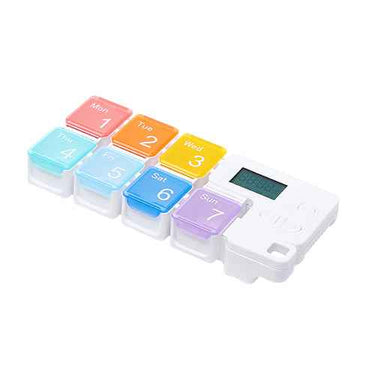
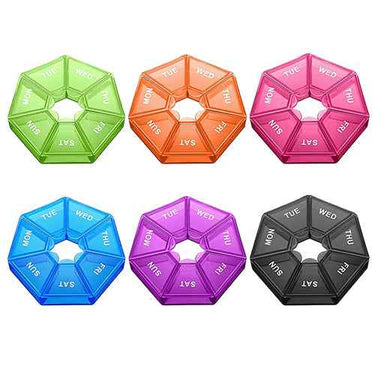
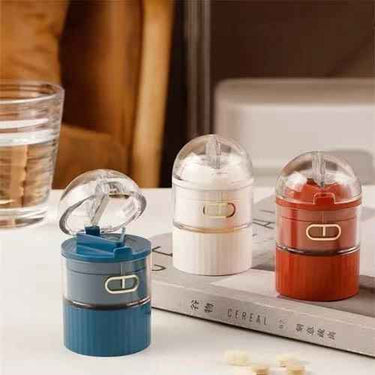
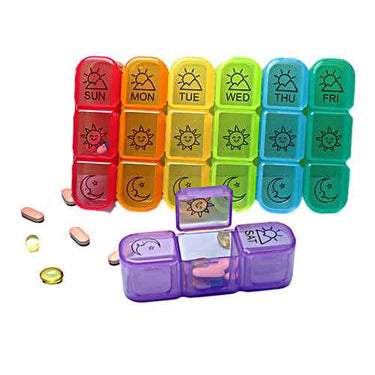
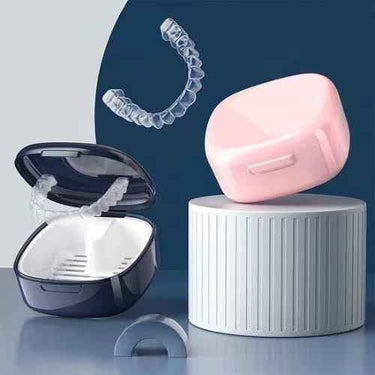
As a result, the focus of discharge planning is evolving. Beyond providing written instructions and medication counseling, healthcare providers are increasingly seeking practical solutions that help patients continue treatment successfully at home. A thoughtfully designed custom pill box can become one of the most effective physical tools in this extended care process.
Traditional pill organizers are designed primarily to separate medications efficiently. While functional, they rarely consider the emotional experience of the person using them.
In mental healthcare, however, the psychological impact of everyday objects should never be underestimated. Cold, clinical-looking medication boxes can unintentionally reinforce the identity of being "a patient." Psychologists often describe this as internalized stigma—when individuals begin accepting society's negative perceptions of mental illness as part of their own self-image. This emotional burden can quietly reduce treatment adherence.
The solution is not simply more reminders. Instead, it starts by redefining what a medication organizer represents.
When a pill box becomes an attractive personal item rather than just a medical container, taking medication feels less like a constant reminder of illness. Custom printing on the back of the pill box featuring cheerful illustrations and encouraging messages such as "Keep Fighting," "You Are Stronger Than You Think," or other positive affirmations offers emotional support instead of issuing another clinical instruction.
Many healthcare organizations have already begun incorporating these human-centered design elements into their custom medication packaging, with encouraging feedback from both patients and caregivers. Patients often report feeling less resistant to taking medication when the packaging itself feels warm, supportive, and personal.
Allowing patients to choose their favorite artwork or design goes one step further. Rather than passively receiving treatment, they become active participants in the process. Even this small sense of ownership can create a stronger emotional connection with daily medication routines.

As one patient shared:
"Holding this cute pill box makes me feel like someone is supporting me. Taking my medicine doesn't feel nearly as difficult."
While emotional support is difficult to measure statistically, its value in long-term recovery should never be overlooked.
During hospitalization, nurses manage every medication schedule. Patients simply follow instructions.
After discharge, however, they must suddenly transition into independent medication management. This change does not happen automatically. It requires both cognitive support and practical tools.
One of the biggest challenges in psychiatric care is the complexity of medication regimens. Every patient leaves the hospital with a different combination of medications, dosages, and schedules. Standard fixed-compartment pill organizers often fail to accommodate these individualized treatment plans, increasing the risk of confusion.
A custom pill box with removable or adjustable compartments offers a much more flexible solution.

During discharge education, nurses can organize each compartment according to the patient's specific prescription, ensuring that every medication and every dosing time has its own clearly designated place. Although simple in appearance, this process helps patients build a structured mental framework for medication management.
Another valuable feature is a built-in medication tracking or check-off area.
Each completed dose can be marked off, introducing a simple but effective form of positive reinforcement. Seeing visible progress helps patients establish consistent daily routines and strengthens long-term medication habits.
Research has consistently shown that combining medication management pill boxes with daily tracking significantly improves medication adherence among mental health patients.
The real value of these tools lies in their ability to compensate for cognitive limitations through thoughtful physical design, transforming a complicated medication schedule into manageable daily actions.
Discharge should never mark the end of the therapeutic relationship.
This is especially true in psychiatric care, where the earliest signs of relapse often appear as subtle behavioral changes. In many cases, patients or family members notice these changes long before clinicians do.
Printing the hospital's 24-hour consultation number and follow-up QR code directly on the pill box creates an always-accessible support channel.
Instead of searching through discharge paperwork, patients can immediately contact healthcare professionals whenever they have questions about medication schedules, side effects, missed doses, or other concerns. Fast access to professional guidance helps reduce medication errors caused by uncertainty or misinformation.
Educational reminders printed directly on the pill box can also reinforce proper medication use during everyday life, helping patients feel more confident while reducing unnecessary anxiety.
However, one principle should always remain clear:
The medication information printed on the pill box serves only as guidance and reminders. It should never replace professional medical advice. Any adjustment to psychiatric medications must always be made under the supervision of a qualified healthcare provider.
Treating mental illness is a long-term process that requires consistency and professional guidance. Leaving the hospital does not mean treatment has ended. Taking medication exactly as prescribed remains one of the most important factors in preventing relapse.
Never Stop Medication Without Medical Advice
Feeling better is often the result of effective treatment—not evidence that the illness has completely disappeared.
Reducing or discontinuing medication without consulting a physician can significantly increase the risk of relapse. Each recurrence may require longer hospitalization, more complex treatment, and a more difficult recovery process.
Make Full Use of Medication Management Tools
Simple tools such as a pill organizer for mental health patients, medication alarms, or reminder apps can help establish consistent medication habits.
If a dose is missed, patients should never take an extra dose on their own. Instead, they should contact their doctor or nurse, who can provide appropriate instructions based on the specific medication and the amount of time that has passed.
Self-adjusting medication may lead to overdosing or unnecessary side effects.

Family Support Makes Recovery Stronger
Family members play an essential role in long-term recovery.
Patience, understanding, and gentle reminders provide valuable support that complements professional treatment. Recovery is rarely linear, and successful long-term outcomes depend on both medical care and a supportive home environment.
At PINES, we specialize in designing and manufacturing custom pill box solutions tailored for healthcare environments.
From ready-made pill box collections to custom development, prototype production, and premium printing services, we help hospitals, clinics, pharmacies, and healthcare organizations create medication management tools that meet real clinical needs.
Whether it's printing encouraging messages, medication instructions, hospital contact information, or customized branding, every custom pill box can become an extension of patient care—supporting medication adherence long after discharge and improving the overall patient experience.
Subscribe to our newsletter for more insights into mental healthcare, hospital discharge solutions, medication adherence strategies, and innovative custom medication packaging designed to improve patient outcomes.

