



Why can medical supplies wholesale procurement serve as a golden gateway into the healthcare industry? For entrepreneurs looking to establish a foothold in the medical sector, understanding how this system works is far more important than entering the market blindly.
This is not simply a business transaction. It is a systematic process involving cost control, regulatory compliance, and supply chain management.
There are many advantages to becoming a medical equipment distributor. First and most importantly, it allows you to enter a profitable and continuously expanding industry.
As public awareness of health increases and medical technologies continue to evolve, the demand for medical equipment and supplies continues to grow steadily. This means that once you enter this market, your products will always face consistent and essential demand.
In addition, by providing healthcare professionals with the equipment they need, you directly contribute to improving the quality of patient care. This sense of social value is something that many purely commercial industries cannot offer.
Another advantage of becoming a distributor is business flexibility. You can choose to specialize in a specific category of equipment or focus on a particular niche within the healthcare industry.
Whether your interest lies in surgical instruments, diagnostic tools, or rehabilitation equipment, specialized market segments are waiting to be explored. This targeted positioning can help you build professional expertise and a competitive advantage in a highly competitive market.

In the healthcare industry, procurement is far more than a simple process of buying and selling. It is a strategic activity that directly affects operational efficiency and long-term sustainability.
Traditional multi-layer distribution models often create information gaps and inefficiencies. In many cases, a common medical consumable must pass through three to five levels of distributors before reaching the end user. This not only lengthens delivery times but may also introduce compliance risks.
A well-structured medical supplies wholesaler procurement system allows distributors to bypass unnecessary intermediaries and connect more directly with manufacturers. This approach enables businesses to move from passive inventory purchasing to proactive product selection and supply control.
One of the most significant advantages of wholesale procurement is cost reduction.
Through centralized and large-scale purchasing, distributors can consolidate downstream demand and gain stronger bargaining power with suppliers. In real centralized procurement cases, the volume-based purchasing model can significantly reduce costs. For example, the price of medical surgical masks can drop from $0.20 per unit to $0.021, while disposable sterile rubber surgical gloves can decrease from $0.57 per pair to $0.19, resulting in an overall reduction of more than 50%.
Overall cost reductions can exceed 50 percent, creating greater profit margins or stronger pricing competitiveness in the end market.

Selecting the right supplier is critical and can significantly influence the success of your healthcare business.
Supplier reputation and reliability should always be among the top considerations. Decisions should never be based solely on price. Instead, distributors must verify whether suppliers possess valid production licenses, regulatory certifications, and stable manufacturing capacity.
A qualified supplier should hold legitimate production and business licenses and be able to cooperate with regulatory inspections and on-site audits. At the same time, their quality management system should be well-established to ensure that every batch of products consistently meets quality inspection standards.
The medical supplies market includes a wide range of products that can be purchased through wholesale channels to meet various healthcare needs.
One of the most common categories is medical consumables, such as syringes, infusion sets, gloves, and masks used in routine clinical care.
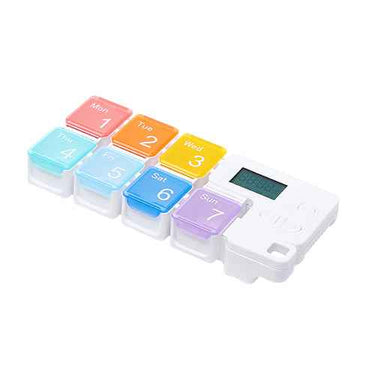
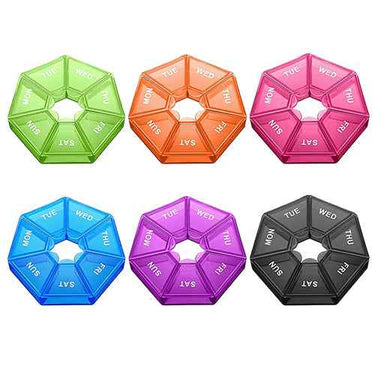
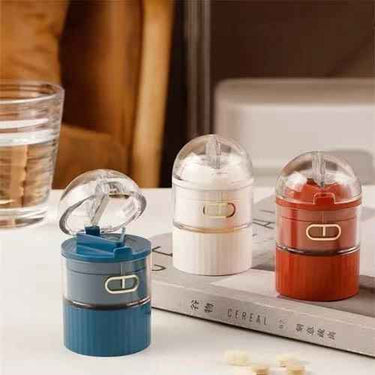
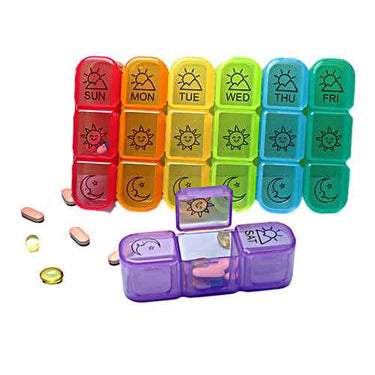
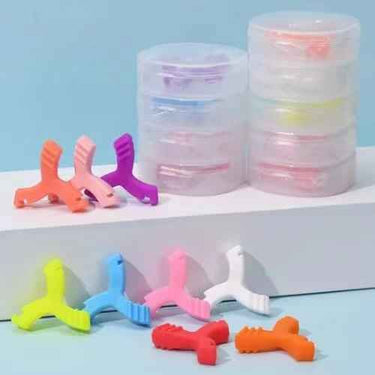
Specialized clinical consumables are also highly popular in wholesale markets. These products include patient transfer pads, emergency trauma kits, and medication management solutions such as medication organizers, pill boxes, and medication bottles.
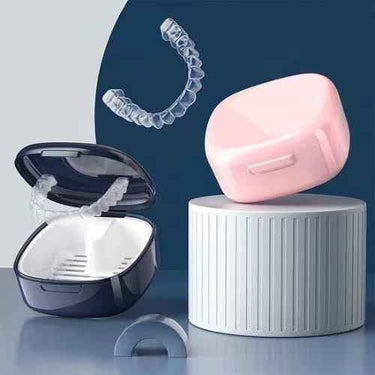
With the expansion of home healthcare, products designed for personal health management—such as oral care packaging kits and medication organizers—are becoming increasingly important additions to wholesale procurement catalogs.

In the healthcare industry, ensuring the quality of purchased products is non-negotiable.
Quality is not only the foundation of medical products but also a critical safeguard for business operations. During procurement, companies must establish strict verification procedures to review supplier documentation, including medical device registration certificates and production licenses.
Regular monitoring is necessary to prevent problems such as expired certifications or falsified documentation.
It is also recommended to follow a dual-control principle of quality and price. Before signing contracts, buyers should evaluate not only documentation but also actual product performance or third-party testing results. This ensures that cost reductions do not come at the expense of product quality.
Efficient wholesale procurement can significantly simplify supply chain management.
By establishing direct partnerships with manufacturers or source suppliers, businesses can reduce communication costs and shorten logistics cycles.
Once procurement processes become digitized, order processing times can be reduced from the traditional three to five days to near real-time response, while inventory turnover rates can improve substantially.
This allows distributors to reduce time spent on manual accounting and inventory management and focus more on expanding customers and maintaining relationships with healthcare institutions.

In conclusion, medical supplies wholesale procurement is not only a gateway into the healthcare industry but also a key strategy for achieving sustainable growth.
It enables businesses to reduce costs while maintaining product quality, streamline operational processes while controlling risk, and build a stronger and more efficient supply chain.
Success in this industry ultimately depends on choosing the right products and the right partners. If you are looking for medical solutions that combine certified quality with innovative design—such as oral care packaging kits or medication organizer solutions—working with a reliable supplier is essential.
Companies such as PINES, which hold certifications including BSCI and ISO 9001, provide both manufacturing reliability and product innovation, making them valuable partners for distributors seeking to build a stable and efficient medical supply chain.

