



As the global consumer goods industry accelerates toward sustainability, oral care packaging is undergoing a profound transformation. For decades, the industry has relied heavily on plastic—from toothpaste tubes to toothbrushes and retainers—due to its versatility and low cost.
However, this convenience comes with a high environmental cost. Recycling remains difficult, and degradation cycles can exceed 500 years, leading to long-term pollution of soil and water systems.
In 2026, driven by rising consumer environmental awareness and increasingly strict global regulations, oral care packaging is evolving from a functional container into a core carrier of brand value.
Below, we explore five of the most influential trends shaping the industry and how brands can turn them into real competitive advantages.

Sustainability is no longer optional—it has become a requirement for entering the mainstream market.
In 2026, brands are shifting from “green marketing” to meaningful material transformation.
First, material selection is undergoing a fundamental change. Traditional multi-layer laminated toothpaste tubes—often made from aluminum-plastic composites—are difficult to recycle. In response, more brands are adopting mono-material solutions, such as fully polyethylene (PE) or polypropylene (PP) tubes, which are compatible with existing recycling systems.
At the same time, bio-based plastics and ocean-recycled materials are moving from concept to practical application.
Second, lightweight packaging design has become a key focus. By reducing tube thickness, eliminating unnecessary outer boxes, and minimizing excess packaging, brands are lowering packaging weight by 20%–30%.
For example, toothbrush packaging is shifting from traditional blister packs to molded pulp or recyclable paper boxes, reducing material usage while reinforcing sustainability messaging.
For brands, the main challenge lies in cost control. Sustainable materials often come at a higher price and require more mature supply chains. However, in markets such as Europe and North America, eco-friendly packaging enables premium pricing while helping brands avoid plastic taxes and regulatory risks.
The key is to find the right balance between sustainability and cost efficiency.
In an increasingly competitive retail environment, user experience has become a decisive factor in purchase decisions.
In 2026, user-friendly design extends beyond “easy opening” to cover the entire product lifecycle.
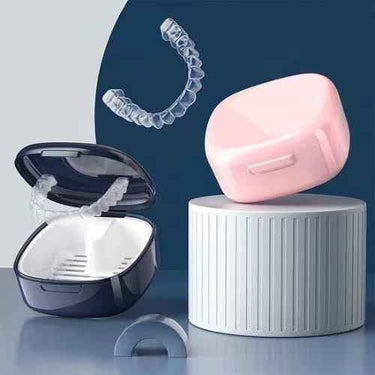
In terms of accessibility, brands are introducing inclusive designs. Larger caps and flip-top lids make toothpaste easier to use for elderly consumers or those with limited hand strength. Improved retainer Case enables smooth one-handed operation.
These small improvements directly impact repurchase rates, as every inconvenience may drive consumers toward competing products.
In terms of dosage control, precision dispensing is becoming increasingly important. Optimized nozzle diameters and appropriate tube flexibility allow users to naturally dispense the right amount, reducing waste.
For specialized products such as whitening gels, packaging increasingly integrates built-in dosing systems to ensure consistent application.
Portability is also evolving. As travel demand rebounds, compact, refillable, and single-use packaging formats are gaining popularity. These designs must balance size efficiency with sealing performance and durability.
However, brands should avoid over-engineering. Complex structures can increase costs and introduce usability issues. The most effective designs are intuitive and effortless to use.

In 2026, packaging is becoming a key information interface, reducing reliance on traditional instruction leaflets.
Consumers now expect ingredient transparency at a glance.
With the rise of ingredient-focused educational content on social media, consumers are increasingly familiar with substances such as fluoride, hydroxyapatite, activated charcoal, and probiotics. They want to quickly determine whether a product suits their needs without reading lengthy instructions.
As a result, brands are adopting visual and standardized communication formats, combining icons with short descriptions, for example:
√ “Hydroxyapatite – Supports enamel remineralization”
√ “0% SLS – Suitable for sensitive mouths”
This approach aligns with modern reading habits and reduces communication barriers in global markets.
At the same time, certification labels—such as vegan, cruelty-free, non-GMO, and natural content claims—are becoming essential rather than optional. These labels help communicate product positioning quickly and clearly.
However, credibility is critical. All claims must be accurate, compliant, and scientifically supported, as misleading information can severely damage brand trust.
QR codes are no longer optional—they are becoming standard features in oral care packaging.
More importantly, they are evolving from simple links into interactive digital gateways.
QR codes address a long-standing limitation: limited packaging space versus unlimited consumer information needs.
Through QR integration, brands can provide:
√ Product traceability
√ Detailed ingredient explanations
√ Usage tutorials
√ Brand storytelling
√ Recycling instructions
These can be delivered through videos, infographics, and interactive pages without occupying valuable packaging space.
In 2026, QR code design is also evolving. Visually integrated QR codes, incorporating brand elements or graphic patterns, are replacing traditional black-and-white designs. This transformation allows QR codes to function as both a technical tool and a design element.
More importantly, QR codes enable ongoing customer engagement. Consumers can register products, receive personalized recommendations, join loyalty programs, and reorder products directly.
For subscription-based oral care brands, QR codes help connect offline packaging with digital ecosystems.
However, successful implementation depends on content quality. If a QR code leads only to a generic homepage, it creates a poor user experience. Effective QR strategies require valuable and engaging content.

Multi-pack strategies are becoming an effective way to enhance both customer value and packaging efficiency.
From a consumer perspective, oral care products are high-frequency essentials. Multi-packs reduce purchasing frequency and lower the cost per unit, making them especially appealing for families.
From a sustainability perspective, multi-packs reduce packaging material per unit. For example, bundling three toothpaste tubes into one package uses fewer materials than packaging them separately.
From a branding perspective, multi-packs provide greater design flexibility and marketing opportunities, including:
√ Holiday gift sets
√ Family bundles
√ Complete oral care kits
These formats enhance perceived value, improve shelf visibility, and increase average order value.
However, brands must avoid excessive packaging. Consumers are increasingly critical of oversized packaging with minimal content. The focus should remain on practicality and material efficiency.

Traditional reliance on non-recyclable plastic has created long-term environmental challenges. These materials can take over 500 years to decompose, contributing to microplastic pollution in ecosystems.
Consumer perception is shifting:
Packaging is no longer just a container—it is an integral part of the product.
Looking ahead, the future of oral care packaging will develop along two key directions:
1. Material Innovation
√ Improved biodegradable materials
√ Expanded application of mono-material solutions
√ Greater integration between packaging and product design
2. Digital Integration
√ Packaging as an interactive touchpoint
√ Long-term engagement beyond a single purchase
For brands, packaging is no longer just a procurement decision—it is a core component of product strategy and market positioning.
In today’s rapidly evolving market, choosing the right partner is essential.
Pines specializes in oral care packaging solutions that integrate sustainability, user experience, transparency, and digital innovation. With deep industry expertise and forward-looking capabilities, Pines helps brands respond quickly and cost-effectively to market changes.
At Pines, you can confidently customize your packaging solutions.
We respect sustainable principles and provide the professional support needed to bring your ideas to life.

