


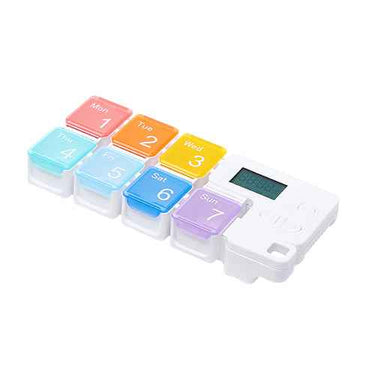
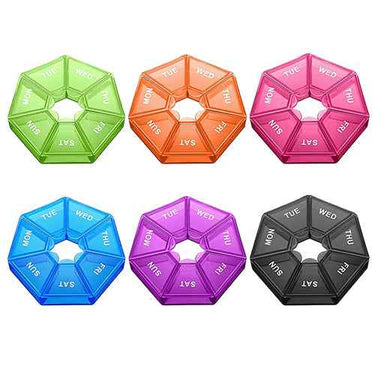
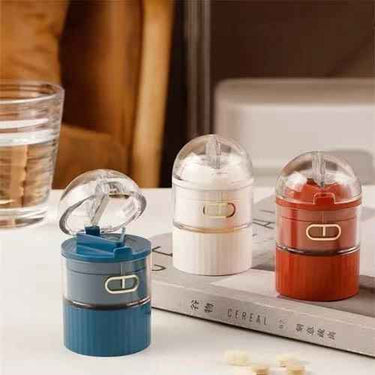
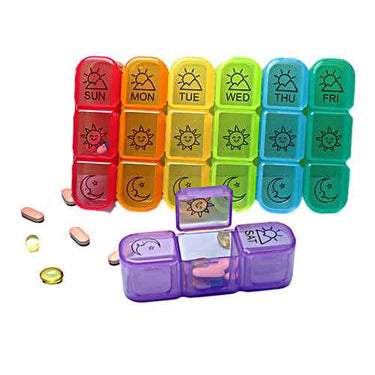
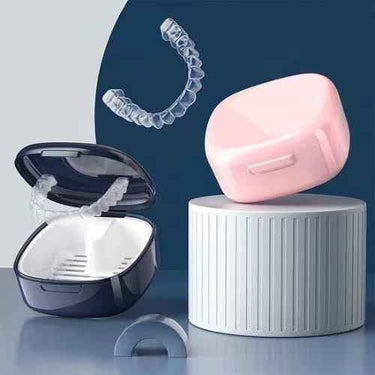
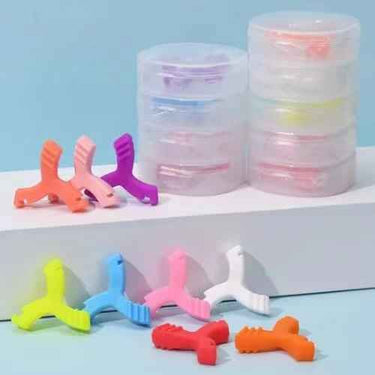

In an era of increasingly refined health management, the pillbox is no longer a forgotten plastic container tucked away in a drawer. As “Customized Pillbox” becomes a high-frequency search term, it reflects a clear shift in consumer demand—people are no longer satisfied with something that merely “works,” but are actively seeking something that truly “fits.”
This article explores the evolution of pillbox design, the practical value of customization, and selection strategies across different usage scenarios. Rather than relying on abstract concepts, it focuses on clear, actionable insights.
The earliest forms of pill storage date back to a time when medications needed to be carried on the go. Early solutions—such as glass bottles or metal cases—served a single purpose: simply holding pills.
As healthcare systems advanced and chronic disease management became routine, medication shifted from occasional use to a structured daily habit. Pillboxes gradually entered the home environment. By the mid-20th century, the rise of the plastic industry significantly reduced production costs, leading to the emergence of weekly compartment pillboxes. At this stage, the design is centered on structural standardization, helping users avoid missed or incorrect doses. Essentially, pillboxes were still considered medical tools rather than lifestyle products.
Entering the 21st century, aging populations and growing awareness of self-care expanded the user base beyond patients to include wellness users and frequent travelers. As a result, design logic evolved from “medical-grade” to “daily-use.”
A clear market shift has emerged: style is gradually overtaking function as the primary purchasing factor.
This does not mean functionality has become less important. Rather, basic functions—such as compartmentalization, sealing, and portability—have become highly standardized. When functionality can no longer differentiate products, design becomes the key differentiator.
Today’s options include:
√ Materials: ABS, food-grade silicone, metal, bamboo, wood
√ Opening mechanisms: sliding, flip-top, rotating, magnetic
√ Visual styles: minimalist, vintage, pastel, transparent industrial
As pillboxes increasingly appear on desks, in travel bags, at gyms, and even in social settings, they have evolved into extensions of personal lifestyle and identity.

Design diversity goes far beyond color variation—it reflects the segmentation of consumer values. Current mainstream design directions include:
√ Nordic minimalism: muted tones, clean geometry, and no excess decoration
√ Vintage style: metal textures, leather trims, and distressed finishes
√ Trendy designs: bold colors, frosted transparency, and IP collaborations
√ Natural aesthetics: bamboo, wood, and fabric materials emphasizing sustainability
Each style corresponds to a different lifestyle identity. Choosing a pillbox is, in many ways, a way of expressing personal positioning.
Despite this diversity, practical simplicity remains essential.
True simplicity is not about being basic; it is about eliminating unnecessary complexity. Key features include:
√ Clear compartment labeling (text or braille)
√ One-handed operation
√ Rounded edges for safety
√ Easy-to-clean surfaces
For elderly users or those with limited dexterity, usability is far more important than visual appeal. Notably, functionality and style are not mutually exclusive. Well-designed products often use simplicity as a foundation while extending style through materials, colors, and details.

Portable Mini Designs
Driven by fast-paced urban lifestyles, mini pillboxes prioritize portability over bulk storage.
Typical products include:
√ Keychain pillboxes
√ Ultra-thin card-style cases (under 5 mm)
√ Lipstick-shaped containers
The core value lies in reducing the carrying burden. When a pillbox is small and lightweight enough, users are far more likely to carry it consistently rather than abandon it due to inconvenience.
Novel and Creative Shapes
These designs break away from the traditional “box” concept, adopting shapes such as fruits, animals, cartoon characters, or everyday objects.
Target users include:
√ Children, to reduce resistance to medication
√ Younger consumers, as creative gift options
√ Seasonal or holiday buyers
However, such designs may compromise portability, sealing, or ease of cleaning. Users should clearly define their priorities—if the goal is novelty, these designs are suitable; if the goal is frequent use, practicality must be carefully evaluated.
Multi-Functional Designs
Modern pillboxes increasingly integrate additional features, including:
√ Alarm reminders (electronic or mechanical)
√ Built-in pill cutters
√ Mirrors for convenience
√ Extra storage for small medical items
√Cross-functional designs (e.g., combined with phone stands or power banks)
The advantage lies in integration, reducing the need to carry multiple items—especially useful for travel. However, each added function increases size, weight, and structural complexity, and may also raise the risk of malfunction. Therefore, users should evaluate whether these features meet real, high-frequency needs rather than perceived usefulness.

A Customized Pillbox shifts control from passive selection to active participation.
Customization can be divided into three levels:
1. Surface customization: colors, materials, and patterns
2. Personalization: engraving, printed messages, or symbols
3. Structural customization: compartment numbers and size adjustments
The most visible advantage is personal expression. The deeper value lies in precision matching. For users with complex medication schedules, standard pillboxes often involve compromises, while customization eliminates these limitations.
The trade-offs include longer production cycles (typically 2–4 weeks) and higher costs compared to standard products.
Lifestyle is not an abstract concept—usage scenarios and frequency define it.
Different user groups have distinct priorities:
√ Business travelers: strong sealing, impact resistance, and compact size
√ Elderly users: large labels, easy-open structures, and clear compartments
√ Young professionals: aesthetic appeal, portability, and EDC compatibility
√ Chronic condition users: precise compartment structures, moisture resistance, and durability
√ Gift buyers: premium packaging, expressive customization, and broad usability
Ultimately, choosing a pillbox means selecting a tool that aligns with real-life habits. Evaluating a product outside its usage context is not meaningful.

Engraving adds more than visual appeal—it enhances both usability and emotional connection.
Common engraving types include:
√ Functional: “AM/PM,” weekdays
√ Motivational: “Stay healthy,” “Take your meds.”
√ Commemorative: initials, important dates, short messages
The two main techniques are:
Laser engraving: suitable for metal and wood; durable and permanent
Silkscreen printing: suitable for silicone and softer materials; offers vibrant colors but may fade over time
It is essential to balance aesthetics with readability. Overly dense or small text significantly reduces usability in daily use.
From a commercial perspective, a customized pillbox serves as a high-frequency branding tool.
Unlike disposable promotional items, pillboxes are used daily. Each interaction reinforces brand presence in a subtle, non-intrusive way, resulting in higher memory retention than one-time advertising materials.
For healthcare brands, pillboxes can also function as product extensions:
√ Vitamin brands offering customized pillboxes as gifts
√ Clinics or pharmacies distributing branded pill organizers
Key considerations include:
√ Ensuring branding aligns with overall product quality
√Avoiding poor usability, which may negatively affect brand perception
The transition from a functional container to a personal identity marker reflects increasingly refined user needs.
Whether prioritizing simplicity, portability, creativity, or multifunctionality, the core question remains:
Does this product truly fit your lifestyle?
A Customized Pillbox goes further by allowing users to define not only its appearance, but also its function and meaning.
With hundreds of design options, materials, and customization features available, the real challenge is no longer “what is available,” but rather:
“What do you actually need?”
Pines focuses on delivering fully customizable pillbox solutions that balance functionality with personal expression. By offering flexible design options and practical customization capabilities, Pines helps users turn clear needs into products that genuinely fit everyday life.

