



As global aging accelerates and the number of people living with chronic conditions continues to rise, medication management has become a real challenge for many families. Taking the wrong medication or missing doses not only reduces treatment effectiveness but can also lead to serious health risks.
A pill dispenser has emerged as an effective medication management tool, gradually moving from professional healthcare settings into everyday homes. This article systematically analyzes the types, working principles, core advantages, and key selection factors of pill dispensers, helping you make a rational and informed choice.

A pill dispenser is an assistive device designed to help users take medication on time and in the correct dosage. Based on the level of automation and functionality, pill dispensers can generally be divided into the following three categories:
1. Manual Pill Organizer
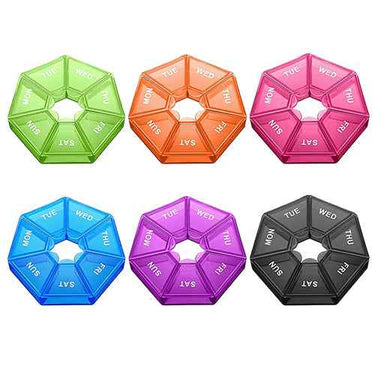
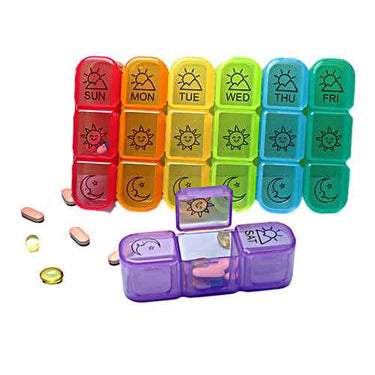
A manual pill organizer is the most basic medication management tool. It is typically made of plastic or metal and divided into multiple compartments corresponding to each day of the week or different times of the day.
Users need to pre-sort medications into each compartment and manually take them when needed. This type of product has a simple structure, is affordable, and requires no power supply. It is suitable for elderly individuals with relatively simple medication routines, normal cognitive function, or short-term travel use.
However, its limitations are also clear—it lacks reminder functions and relies entirely on the user’s memory and self-discipline. For individuals with declining cognitive abilities, its effectiveness is limited.
2. Electronic Pill Dispenser
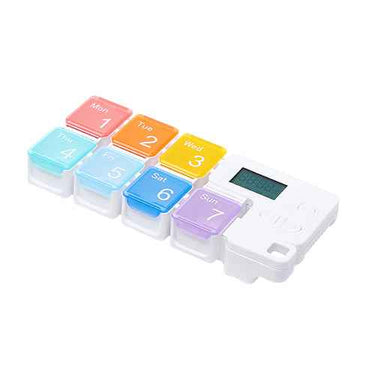
An electronic pill dispenser builds on the manual pill organizer by adding an electronic control system. The device includes a built-in timer that triggers medication reminders through sound, light, or vibration at preset times.
Some models also feature locking mechanisms to prevent access outside scheduled medication times. These devices are usually battery-powered, offer moderate capacity, and can typically support about one week of medication.
Compared to manual pill boxes, electronic pill dispensers significantly improve reminder functionality. However, they still require users to actively respond to alerts and retrieve medication themselves. For individuals with limited mobility or very low adherence, the effectiveness may be reduced.
3. Automatic Pill Dispenser
An automatic pill dispenser represents the most advanced level of home medication management devices currently available.
Users or caregivers preload medications into internal compartments, and the system automatically dispenses the correct dose into a cup or pouch at scheduled times. Some high-end models also support remote monitoring, medication tracking, and missed-dose alerts.
Automatic pill dispensers achieve a transition from “reminding medication” to “ensuring medication delivery.” Even if the user forgets or is unable to operate the device, it can still ensure accurate dispensing, greatly reducing human error.
Although these devices are more expensive and require more complex setup and maintenance, their value is irreplaceable for complex medication regimens and high-risk individuals.

Different types of pill dispensers operate differently, but their core logic always revolves around “right dose, right time.” This is reflected in the following key processes:
Medication Management
Medication management is the starting point of the entire process.
For manual pill organizers and electronic pill dispensers, users or caregivers need to regularly (usually weekly) sort medications into designated compartments. For automatic pill dispensers, the process is more complex—medications must be loaded into sealed compartments by type, and schedules and dosages must be programmed through the device system.
Once configured, the device automatically handles the dispensing process, and users only need to collect the medication when it becomes available. Good medication management habits are essential for the effective use of any pill dispenser.
Reminders and Alerts
Reminder functionality is a defining feature of a pill dispenser compared to a standard pill box.
Electronic and automatic pill dispensers include built-in clocks and alarm systems that emit sound alerts at preset times, often accompanied by flashing lights or vibrations. Advanced devices may feature multi-level alert systems: if medication is not taken within a specified time, the device continues to alert and may send notifications to a caregiver’s phone via a wireless network.
Accurate Dispensing
Accurate dispensing is the core technology behind automatic pill dispensers.
Through mechanical structures or gravity-based systems, the device releases the exact dose from the appropriate compartment. For users who need to take multiple medications simultaneously, the device can combine them into a single dispensing unit, reducing the risk of errors that may occur with manual handling.
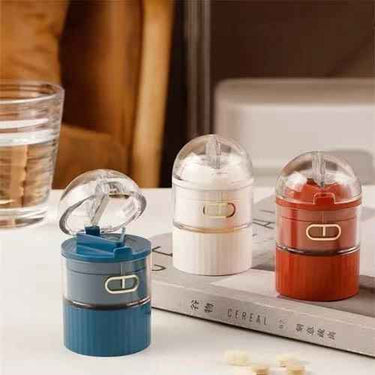
Some models also support pill splitting or capsule handling, further enhancing compatibility. By minimizing human intervention, accurate dispensing is especially suitable for elderly individuals with complex medication routines or cognitive impairments.
Medication Monitoring
Most modern pill dispensers are equipped with medication monitoring functions.
The device records each dispensing event, including time, dosage, and completion status, creating a continuous medication history. This data can be viewed in real time or exported for analysis by caregivers or healthcare professionals.
Monitoring medication usage helps identify adherence issues and potential correlations with adverse drug reactions, providing objective data for treatment adjustments.
Record Keeping
Record keeping is the structured presentation of monitoring data.
A high-quality pill dispenser automatically generates medication logs that clearly document on-time doses, missed doses, and delayed intake. These records are valuable for caregivers monitoring patient status remotely and for doctors evaluating treatment effectiveness.
Some devices also allow synchronization with mobile apps or cloud systems, enabling multi-device access and long-term data storage.

Improved Medication Adherence
Medication adherence refers to how well patients follow prescribed treatment plans. Studies show that long-term adherence among chronic disease patients is often below 50%, leading to reduced treatment outcomes and wasted healthcare resources.
A pill dispenser effectively eliminates common issues such as forgetting doses, taking incorrect amounts, or double-dosing. This is especially critical for medications that require strict timing, such as anticoagulants, diabetes medications, and immunosuppressants.
Consistent adherence is the foundation of disease control and long-term health management.
Enhanced Patient Safety
Medication errors can have serious consequences.
Taking the wrong medication, duplicating doses, or misinterpreting frequency can lead to toxicity or treatment failure. A pill dispenser prevents these issues through physical separation and controlled dispensing mechanisms.
Advanced automatic pill dispensers can even detect potential drug conflicts and issue warnings. Additional features such as child safety locks and anti-access designs further reduce risks.
For elderly individuals living alone or patients with cognitive impairments, a pill dispenser serves as a critical safety safeguard.
Reduced Caregiver Burden
Family caregivers often experience significant physical and emotional stress.
Daily tasks such as reminding medication, checking compliance, and sorting pills consume time and energy. A pill dispenser transfers much of this responsibility to the device.
Caregivers typically only need to load medications once a week and can monitor adherence remotely. When a missed-dose alert occurs, they can intervene promptly without constant supervision.
This “automation + human intervention” model allows caregivers to focus more on meaningful support and emotional care.
Complex Medication Regimens
When medication schedules become complex, a pill dispenser becomes essential.
Typical scenarios include:
√ Taking medication more than three times per day
√ Using five or more different medications
√ Managing different timing requirements (e.g., before/after meals)
√ Handling special dosage forms (e.g., split tablets, sublingual medication)
A pill dispenser converts complex schedules into automated systems, significantly reducing errors.
Memory Loss or Cognitive Decline
Memory decline is a natural part of aging, but when it begins to affect medication safety, external support becomes necessary.
If individuals frequently:
√ Forget whether they have taken medication
√ Confuse medication schedules
√ Take duplicate doses
Their cognitive ability may no longer support independent medication management.
For patients with mild cognitive impairment or Alzheimer’s disease, even manual pill boxes may not be sufficient. In such cases, a pill dispenser with automatic dispensing and strong alert systems is a far more effective solution.
Caregiver Support Needs
Even if the patient is relatively capable, frequent caregiver intervention may indicate that the current system is unsustainable.
Many caregivers are also older adults, and prolonged stress can lead to burnout. A pill dispenser acts as a “digital assistant,” handling routine tasks and allowing caregivers to focus on exceptions.
This support extends the possibility of aging at home and reduces the need for institutional care.
Ease of Use
Ease of use determines whether a pill dispenser can truly deliver value.
Devices should feature:
√ Intuitive operation
√ Large, high-contrast displays
√ Clear button feedback
Medication loading should be simple, and compartments should be easy to clean and maintain. For elderly users, it is best to choose devices that do not require complex setup, or ensure setup can be completed once by caregivers.
The device should also provide clear alerts in case of power failure and include backup options such as manual access.
Capacity and Compatibility
Capacity determines how long the device can operate before refilling.
Common options include:
√ 7-day
√ 14-day
√ 28-day
Choose based on caregiver visit frequency and user independence.
Compatibility is equally important. Ensure the pill dispenser supports:
√ Tablets
√ Capsules
√ Blister-pack medications
√Split pills
Some automatic dispensers have strict size and shape limitations, so it is essential to verify compatibility before purchase.
Features
Different models offer varying features depending on price and positioning.
Basic features:
√ Timed reminders
√ Anti-access controls
√ Battery backup
Advanced features:
√ Remote monitoring
√ App synchronization
√Missed-dose notifications
√Medication data export
√Health tracking (e.g., blood pressure, glucose input)
More features are not always better—the key is alignment with real needs.
Budget and Cost
The price of a pill dispenser ranges from affordable to premium, with significant differences in cost structure.
Manual pill organizers have minimal cost but limited effectiveness. Electronic pill dispensers provide a balance between price and functionality. Automatic pill dispensers are the most expensive but offer the highest level of safety and automation.
In addition to the initial purchase, consider:
√ Battery replacement
√ Maintenance costs
√ Consumables (if required)
√ Warranty and service support
√ Potential subscription fees (e.g., cloud services)
A long-term value perspective is essential. For high-risk users, the cost of a pill dispenser is often far lower than the cost of hospitalization due to medication errors.

Medication management is not a minor issue—it directly affects treatment outcomes and patient safety.
A pill dispenser serves as a reliable tool that transfers error-prone manual processes into consistent, system-driven execution.
Among many brands, PINES stands out by combining continuous innovation with a deep understanding of real user needs. Its range of pill dispensers is designed to fit different scenarios, offering professional-grade solutions for home medication management.
If you are facing medication management challenges, start by evaluating your needs based on this guide and choose a pill dispenser that truly fits your situation—bringing simplicity, safety, and peace of mind back into daily care.

