


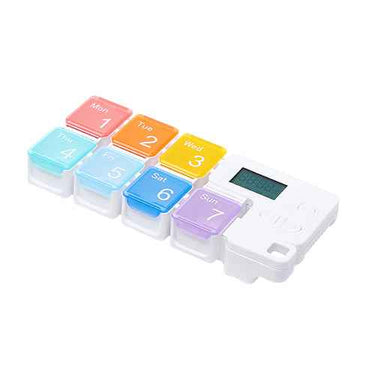
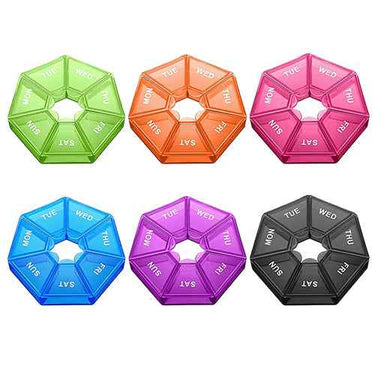
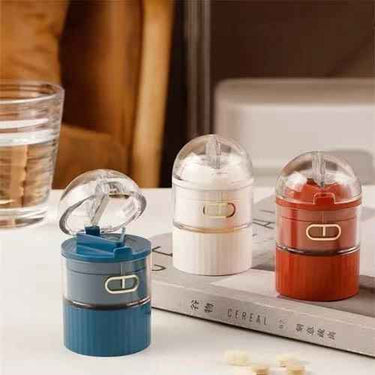
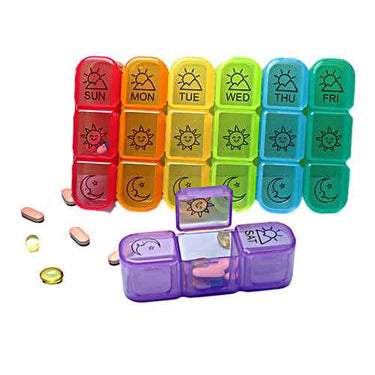

The global oral care market continues to expand, driven by rising consumer awareness of dental hygiene, cosmetic dentistry trends, and premium personal care positioning. As competition intensifies, oral care packaging has evolved from a simple protective container into a strategic branding and compliance tool.
For oral care brands, distributors, and private label buyers, packaging decisions directly affect product safety, regulatory compliance, shelf visibility, and long-term brand perception.
This guide explains materials, compliance standards, customization options, sustainability considerations, and how to choose the right oral care packaging partner.
Packaging in the oral care sector must achieve four core objectives:
Product Protection – Safeguard toothpaste, dental kits, orthodontic products, or accessories from contamination or damage.
Regulatory Compliance – Meet labeling and material safety requirements.
Brand Differentiation – Stand out in a crowded retail or e-commerce environment.
Logistics Efficiency – Enable cost-effective transportation and storage.
Unlike generic consumer goods packaging, oral care packaging operates within a semi-regulated environment where safety, hygiene, and labeling accuracy are critical.

Oral care products vary significantly, and packaging must match product format.
Laminated tubes
Aluminum barrier tubes
Carton outer boxes
Retail display packaging
Barrier properties are essential to maintain product stability and prevent contamination.
Includes:
Toothbrush blister packaging
Dental floss containers
Interdental brush boxes
Travel dental kits
Durability and moisture resistance are key factors.
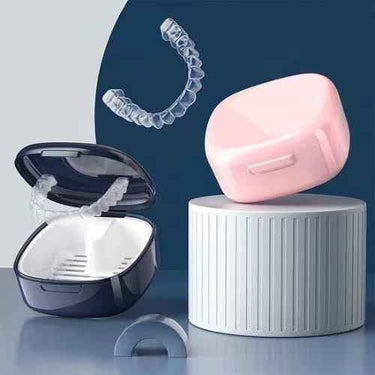
Orthodontic retainers, aligners, and dental appliances require protective cases. Brands sourcing orthodontic packaging solutions often prioritize:
Impact resistance
Secure locking mechanisms
Compact travel design
Custom logo printing
This category continues to grow with increasing orthodontic treatment demand worldwide.
Material choice affects safety, sustainability, and cost structure.
Lightweight
Durable
Cost-efficient for bulk production
Suitable for injection molding and custom colors
PP (Polypropylene) is widely used due to its chemical resistance and durability.
Retail presentation
Branding surface
Sustainable positioning
Many brands now request FSC-certified paper or recyclable packaging components.
Sustainability is increasingly important. Some brands adopt:
Recyclable mono-material structures
Reduced plastic designs
Biodegradable or recycled materials
Brands interested in environmental positioning often explore eco-friendly dental packaging manufacturing to align with ESG commitments.

Although oral care products are not always classified as medical devices, packaging must comply with regional regulations.
Key considerations include:
BPA-free materials
Food-contact safety standards
Clear labeling (ingredients, usage, warnings)
Tamper-evident features
Manufacturers serving U.S. and EU markets must understand FDA and EU packaging compliance expectations.
Working with experienced suppliers reduces regulatory risk and protects brand reputation.
Customization plays a crucial role in brand positioning.
Options may include:
Silk screen printing
UV printing
Hot stamping
Embossing / debossing
High-quality printing enhances perceived product value.
Brands may require:
Unique box shapes
Transparent windows
Multi-compartment dental kits
Travel-ready compact formats
Functional design improves usability and consumer satisfaction.
Private label buyers often combine customization with private label oral care packaging services to maintain brand consistency across product lines.
OEM partnerships typically include:
Design consultation
Sampling & prototype development
Bulk production
Export packaging support
Consumers increasingly evaluate brands based on environmental responsibility.
Trends include:
Plastic reduction strategies
Refillable systems
Paper-based outer packaging
Minimalist structural design
Sustainable packaging is no longer a niche preference — it is becoming a competitive requirement.
Brands that proactively adopt sustainable solutions often gain stronger retailer acceptance.

Selecting a packaging partner should involve structured evaluation.
Look for suppliers with:
Injection molding capacity
Printing expertise
Structured quality control systems
Export experience
Manufacturing stability directly impacts supply chain reliability.
Professional suppliers implement:
Incoming material inspections
In-process quality checks
Final product testing
Packaging drop tests
Consistency is essential, particularly for retail distribution.
An experienced packaging manufacturer should provide:
Clear MOQ policies
Transparent lead times
Pre-production samples
Artwork confirmation before mass production
This reduces production errors and protects brand assets.
Cost depends on:
Material type
Structural complexity
Printing method
Order volume
Packaging type
Bulk orders typically reduce per-unit cost, but long-term supplier partnerships often deliver more stable pricing and priority production scheduling.
Balancing cost and quality is critical — especially in healthcare-related categories where safety and durability matter.
Oral care packaging is not simply a container. It influences:
Consumer trust
Retail shelf performance
Brand recognition
Logistics efficiency
Sustainability positioning
For distributors and private label buyers, packaging strategy directly affects market competitiveness.
Brands that invest in professional design and manufacturing partnerships create stronger long-term value.

As the oral care industry grows, packaging has become a strategic asset rather than an afterthought. From material selection to compliance standards and sustainability trends, professional oral care packaging solutions enable brands to differentiate, scale, and compete effectively.
Whether you are launching a new dental accessory line, expanding orthodontic products, or developing a private label program, choosing the right packaging partner is critical to long-term success.
If you are sourcing reliable oral care packaging for your dental brand, pharmacy line, or private label program, choosing an experienced manufacturing partner makes all the difference.
At pinespack , we support global buyers with:
Custom logo & branding solutions
OEM / private label manufacturing
Eco-friendly material options
Flexible MOQ for growing brands
Export-ready bulk packaging
Fast sampling and stable lead times
Whether you need orthodontic cases, dental accessory packaging, or complete retail-ready solutions, our engineering and production teams are ready to support your project.

