



Travel can disrupt everyday self-care habits more than most people realize. Before leaving home, you probably remember to pack your charger and passport, but how often do you stop to think about where to keep your retainer? As a result, retainers end up wrapped in tissues on hotel nightstands, toothbrushes and dental appliances get squeezed into the same toiletry bag overnight, and capsules become mixed up with throat lozenges in pill organizers.
The problem isn't necessarily a lack of discipline. Travel itself takes you out of your normal routine, while oral care and personal medication management depend heavily on consistency.
In 2026, wellness travel is no longer a niche concept. According to travel trend reports from National Geographic, more people are beginning to view travel as an extension of personal well-being rather than a break from it. Yet one often-overlooked reality remains: even the smallest inconvenience can undermine an otherwise enjoyable wellness experience. A toothache, a damaged retainer, or a missed medication dose can quickly turn a relaxing trip into an uncomfortable one.
Blaming inconsistent oral hygiene on becoming "less disciplined" while traveling is an easy explanation, but it misses the bigger picture.
Oral care routines rely heavily on environmental cues. Your toothbrush sits in its usual holder, dental floss stays next to the bathroom mirror, and your retainer case has a familiar spot on the nightstand. Once these physical reminders disappear, the habits associated with them become much harder to maintain.
Retainers are a particularly common example.
Travelers frequently share similar experiences online: wrapping a retainer in a tissue and leaving it beside a restaurant plate, only to have it accidentally thrown away by the staff; or placing it on a hotel pillow before going to sleep, only to find it missing somewhere between the mattress and the bed frame the next morning.
Hygiene is another concern. Some people use the same toothbrush to clean both their teeth and their retainers, potentially transferring toothpaste residue and bacteria onto the appliance before wearing it again overnight. One traveler described the resulting smell as something between mint and mildew — definitely not what a clean retainer should smell like.
Toothbrushes face their own challenges. Colgate's oral care guidance emphasizes the importance of allowing toothbrush bristles to dry properly and avoiding prolonged storage in enclosed, damp environments. However, when you're rushing to check out of a hotel, a wet toothbrush often gets packed straight into a toiletry bag alongside razors, combs, and other personal care products.
By the time you unpack at your next destination, that unpleasant, musty smell may already be there.

The solution isn't simply to rely on willpower. It's about using practical storage products to make good habits easier to maintain.
A transparent, resealable bag is a useful starting point. According to travel health recommendations from UHealth, clear, resealable bags can help organize medications and personal care essentials, make items easier to identify during security checks, and prevent liquid spills from contaminating clothing.
However, keeping everything together doesn't necessarily mean keeping everything organized.
A more effective approach is to separate your essentials according to how you use them:
Toiletry bag: Keep your toothbrush, toothpaste, and dental floss together.
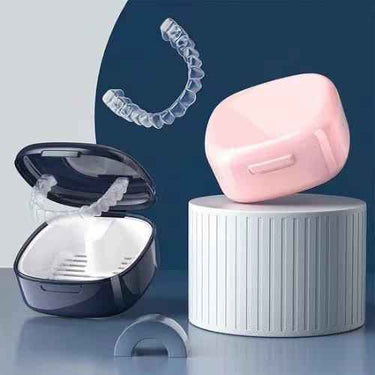
Dedicated retainer case: Store your retainer and its cleaning accessories separately in a protective case.
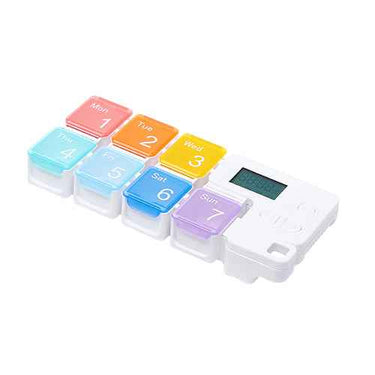
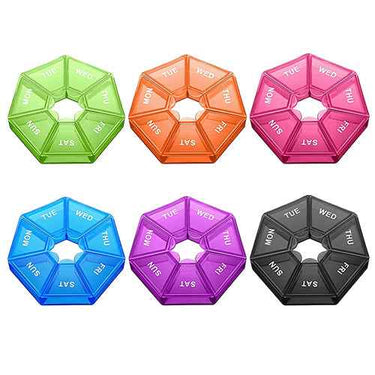
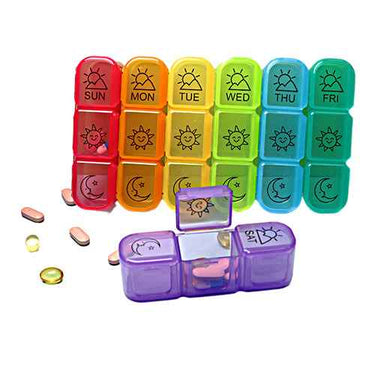
Medication organizer: Keep medications in a designated compartment, with prescription medicines in your carry-on rather than checked luggage.
One often-overlooked recommendation in CVS Health's travel health advice is to pack enough medication to cover potential travel delays, not just the number of days on your itinerary. A flight delay or an unexpected overnight stay could leave you without essential medication. Carrying a few extra doses is a much smaller inconvenience than running out when you need them.
For retainer users, several practical habits are worth adopting:
Always keep your retainer case in your carry-on bag rather than checked luggage.
Consider bringing a spare case for trips lasting more than a week.
Never wrap your retainer in a tissue at restaurants or other public places.
These habits don't require much extra time. What matters is having a dedicated container and following one simple rule: always put your retainer back in its case.
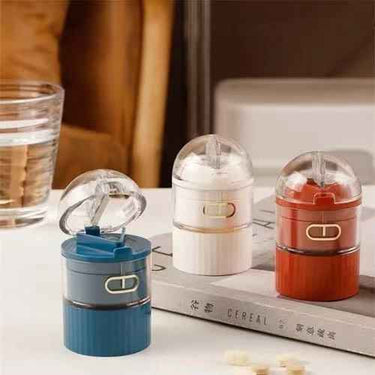
Portable pill organizers, retainer cases, and ventilated toothbrush holders may be inexpensive and compact, but their value lies in preventing everyday problems before they happen.
Research into the toothbrush travel case market suggests that consumer expectations are evolving. Instead of simply looking for somewhere to store a toothbrush, travelers increasingly value ventilation, easy cleaning, compatibility with different toothbrush designs, and durable materials.
Consumer preferences also vary across markets. Japanese consumers often place particular emphasis on precision and hygienic product design, while Korean consumers tend to show greater interest in aesthetics and product discoverability.
This points to a broader shift: people are evaluating travel accessories based on how well they address real travel-related challenges, rather than simply expecting everyday products to come in smaller sizes.
The growing interest in wellness travel makes these seemingly minor accessories even more relevant.
According to Skyscanner survey findings, 36% of travelers incorporate beauty rituals into their trips as part of their self-care routines, while 27% express an interest in experiencing local wellness and beauty practices.
As travel increasingly becomes an opportunity to look after yourself, small products that help maintain a simple three-minute oral care routine in an unfamiliar hotel bathroom are no longer just optional accessories. They are part of the infrastructure that makes consistent self-care possible.
A well-ventilated toothbrush case, a retainer case that allows moisture to drain without taking up too much counter space, and a portable pill organizer with clearly separated compartments all serve the same purpose: making the right habits easier to follow.
You don't have to constantly remind yourself to put your retainer away when its case is already in the same place as your toothbrush. When you open your toiletry bag, everything is right where it should be.
That's the real value of thoughtful product design: reducing the chances of mistakes rather than adding unnecessary steps to your routine.

During your final packing check, take oral care products and medications out of the "I'll just throw them in later" category and review them separately.
Keep prescription medications in your carry-on, make sure your retainer case is easily accessible, and let your toothbrush dry before putting it in a ventilated travel case. Don't rely entirely on disposable hotel dental floss, either. Bringing your own reliable oral care essentials can make a difference throughout a longer trip.
For international travel, follow local dental and public health guidance regarding water safety when rinsing your mouth or cleaning your retainer. Where tap water is not considered safe to drink, use bottled or otherwise treated water instead.
Travel doesn't have to mean abandoning your everyday habits. It simply means finding a more flexible way to maintain them.
Those small cases, organizers, and pouches all serve the same purpose: helping you feel that everything is still on track when you arrive in an unfamiliar room, unpack your belongings, and reach for your toothbrush.
Looking for practical storage solutions for travel and everyday personal care? Explore our portable oral care and wellness accessories, or contact us to learn more about wholesale and custom product options.

