



Over the past decade, skincare has transformed the way consumers think about personal care. Shampoo has evolved into scalp care, body lotions now feature ingredients like exfoliating acids and ceramides, and the next category to embrace this shift is oral care.
If you've noticed toothpaste tubes that look more like luxury skincare products, mouthwashes marketed with sophisticated fragrance notes, or stylish toothbrushes displayed prominently on bathroom countertops, you've probably already spotted the trend.
Oral care is becoming increasingly skincare-inspired.
But this goes beyond attractive packaging or premium branding. Consumers are beginning to expect more from their daily oral hygiene products. Cleaning teeth is no longer the only consideration. Ingredients, specialized benefits, product aesthetics, and the overall user experience are becoming equally important.
As Gaurav Datta, Unilever's Global Vice President of Oral Care, reportedly noted in an industry interview, consumer expectations have moved beyond basic cleaning toward solutions that combine functional benefits with aesthetic appeal.
In other words, toothpaste is no longer expected to simply clean your teeth. It is increasingly expected to look, feel, and fit into a carefully curated personal care routine.
One of the clearest signs of this shift can be found in product formulations.
Traditional oral care products have primarily focused on established ingredients such as fluoride, abrasives, and surfactants, with an emphasis on cleaning teeth and preventing dental problems.
However, newer product launches are borrowing both ingredients and marketing language from the skincare industry.
Hyaluronic acid is being explored for its moisturizing potential in oral care formulations. Niacinamide has appeared in some whitening-oriented oral care products, while probiotics are increasingly associated with maintaining a balanced oral microbiome.
For example, Boka has introduced whitening products featuring ingredients such as niacinamide and vitamins C and E. This reflects a broader trend toward treating oral care as a more sophisticated part of a personal wellness routine rather than simply another daily hygiene task.
What is driving this change?
Consumer expectations around ingredients are evolving. According to GlobalData's Q2 2024 consumer research, 35% of respondents in Asia and Australasia considered high-quality ingredients important in healthcare and hygiene products.
This suggests that ingredient awareness is no longer limited to facial skincare. Younger consumers are applying the same level of scrutiny to toothpaste labels that they once reserved for serums and moisturizers.
Mintel research also points to growing interest in microbiome-related product claims. Between April 2019 and March 2024, product launches featuring microbiome-related claims increased by 52%.
Given the importance of the oral microbiome in maintaining oral health, it is hardly surprising that brands are exploring this area.
However, innovation should not be confused with proven clinical effectiveness.
Hydroxyapatite, for instance, has gained considerable attention as an alternative to fluoride in oral care. Spate data reportedly showed an increase of more than 410,000 points in cross-platform interest over one year. Yet its regulatory status and clinical evidence should not be treated as equivalent to those of fluoride, particularly when it comes to cavity prevention.
The takeaway for brands and manufacturers is straightforward: consumers may be quick to embrace new ingredients, but product development still needs to be guided by scientific evidence.
In oral care, a compelling ingredient story can attract attention, but proven performance is what builds long-term trust.
The real commercial opportunity behind skincare-inspired oral care may extend beyond toothpaste itself.
Think about a typical skincare routine. It rarely consists of a single product. Cleansers, toners, serums, moisturizers, and masks each serve a different purpose, creating a sequence of small daily rituals.
Oral care is gradually developing a similar ecosystem.
Tongue cleaning, once mainly recommended as an additional hygiene practice by dental professionals, has become a recognizable retail category. Tongue scrapers are now available alongside other personal care accessories.
At-home whitening strips and LED whitening kits have also made certain cosmetic dental treatments more accessible outside professional clinics.
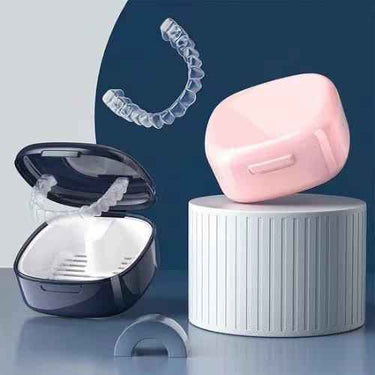
Another interesting example is the evolution of retainer cases.
Traditionally, a retainer case was simply a small plastic container designed to protect orthodontic appliances when they were not being worn. Appearance was rarely a priority. As long as the case was functional and portable, that was usually enough.
Today, however, consumers are paying more attention to materials, color options, closure mechanisms, and overall design.
Why?
Because retainer cases are no longer necessarily hidden away in a drawer or buried at the bottom of a bag. They are increasingly part of the everyday bathroom setup, sitting alongside skincare bottles, toothbrushes, and other personal care products.
When a functional item moves from being hidden away to being displayed, its purchasing logic changes.
Consumers still expect protection and convenience, but they also want products that fit naturally into their lifestyles and personal aesthetic preferences.
The growing popularity of clear aligners and orthodontic retainers is another factor supporting this category.
People who regularly wear retainers or clear aligners tend to develop more structured habits around cleaning, storage, and replacement. They are also more likely to look for accessories that make these routines easier and more convenient.
For brands and B2B buyers, this creates an opportunity to expand beyond basic oral hygiene products into a wider range of complementary accessories.
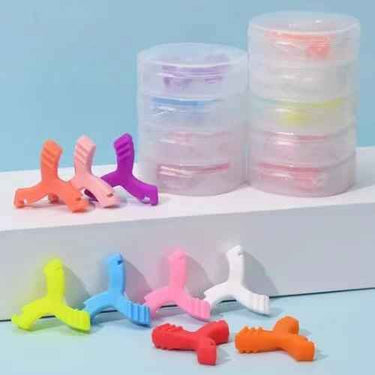
Retainer storage cases, cleaning containers, tongue cleaners, and other oral care accessories may seem like relatively small product categories, but together they contribute to a more complete consumer experience.
Despite its commercial potential, the skincare-inspired oral care trend raises an important question:
Could aesthetics and premium branding eventually take priority over actual oral health?
This is not an unreasonable concern.
When it comes to preventing tooth decay, fluoride toothpaste remains supported by decades of clinical evidence. Dental professionals, including representatives of the British Dental Association, have repeatedly emphasized the importance of fluoride in everyday oral hygiene.
Some premium oral care brands have chosen fluoride-free formulations, positioning ingredients such as hydroxyapatite and plant-based extracts as alternatives.
While this approach may appeal to consumers looking for different formulations, the effectiveness of these alternatives should be evaluated carefully rather than assumed to be equivalent to established fluoride-based products.
Price is another consideration.
When a tube of toothpaste costs £20, the purchase is no longer driven solely by basic cleaning needs. Brand identity, product aesthetics, perceived ingredient quality, and lifestyle positioning all become part of the value proposition.
There is nothing inherently wrong with premium oral care. The skincare industry has already demonstrated that consumers are willing to pay more for products that offer distinctive experiences and perceived benefits.
However, oral hygiene also plays an essential role in preventive healthcare.
The industry needs to ensure that premium positioning does not make reliable everyday oral care seem less accessible or less desirable.
For manufacturers and brands, the challenge is to create products that deliver genuine functional value while offering the design and experience modern consumers increasingly expect.
The numbers suggest that the oral care industry has considerable room for growth.
The global oral care market is projected to increase from approximately $62.9 billion in 2026 to $113.5 billion by 2035, with Asia-Pacific markets, particularly China, expected to play an important role in future expansion.
At the same time, the growth of e-commerce is making it easier for emerging brands to reach niche consumer groups without relying entirely on traditional retail distribution.
This is creating opportunities across several product categories:
Premium oral care products: Toothpaste, mouthwash, and specialized formulations with distinctive ingredients and positioning.
Oral care accessories: Tongue scrapers, toothbrush holders, cleaning tools, and other complementary products.
Retainer and aligner storage: Functional storage cases with improved materials, practical designs, and customizable appearances.
At-home teeth whitening: Whitening strips, accessories, and consumer-friendly whitening kits.
Personalized oral care: Products with customized colors, packaging, branding, and user-focused features.
For B2B buyers, retailers, and private-label brands, the opportunity lies in identifying products that combine practical functionality with growing consumer demand for better design and personalization.
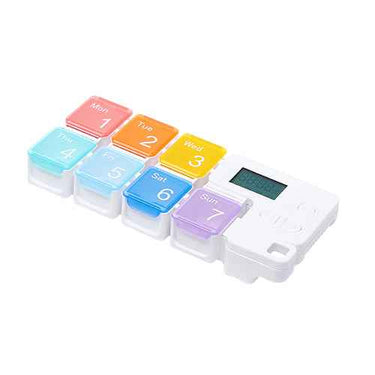
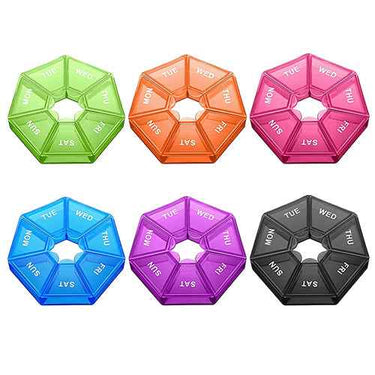
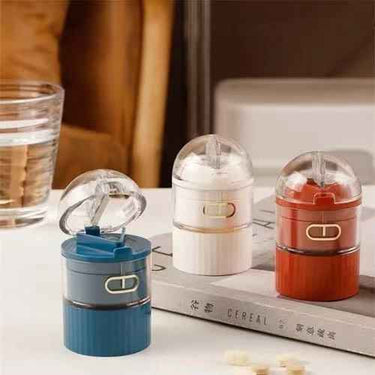
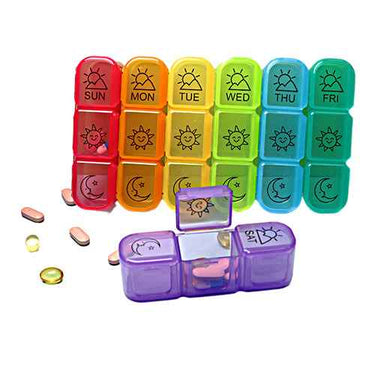
Retainer cases are a particularly interesting example. Although relatively small, they offer opportunities for product differentiation through material selection, compartment design, closure mechanisms, color combinations, and custom logo printing.
For manufacturers, this also creates room to develop more targeted product lines instead of relying on generic, one-size-fits-all designs.
As competition increases, simply making a product look premium will not be enough. Brands that can connect attractive design with reliable functionality and consistent product quality are more likely to build customer loyalty and repeat purchases.
Oral care is undoubtedly moving toward a more lifestyle-driven category.
It is adopting the same consumer aesthetics, ingredient-focused marketing, and daily ritual-based experiences that have reshaped the skincare industry.
But there is an important distinction: teeth and gums are not facial skin.
They face constant exposure to food, temperature changes, chewing pressure, and bacterial biofilms. Attractive packaging and sophisticated formulations cannot replace the fundamentals of good oral hygiene.
The future of oral care will likely belong to brands that understand both sides of this shift: consumers want products that look good and feel good to use, but they also expect genuine functional benefits.
Skincare-inspired design should give consumers more reasons to care about oral hygiene, not become an excuse for overpackaging or exaggerated product claims.
For the industry, that is where the real opportunity lies: making everyday oral care more functional, more personalized, and more enjoyable without losing sight of what matters most.
From custom retainer cases and orthodontic storage solutions to practical personal care accessories, PINES supports brands and wholesale buyers with customized product development and manufacturing solutions.
Whether you are developing a private-label oral care collection or sourcing functional accessories for your product range, choosing the right manufacturing partner is an important first step.
Subscribe to our website for more oral care industry insights, product updates, and sourcing information.

