
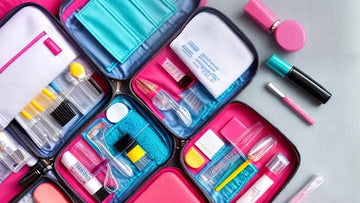


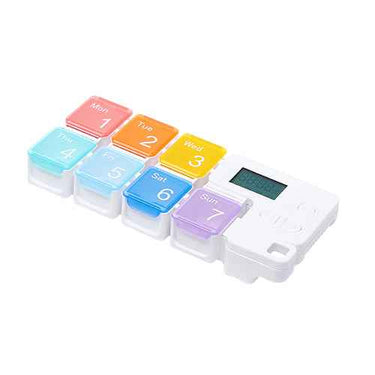
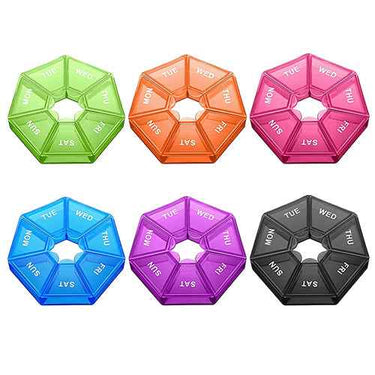
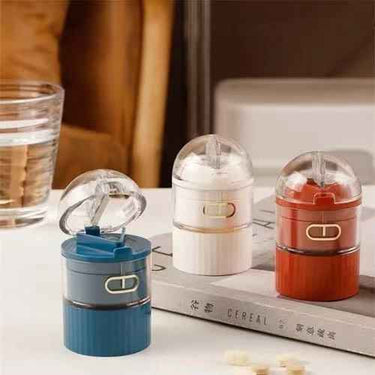

Not long ago, a pill box was simply a pill box, and a plastic storage case was just a plastic storage case. They were tucked away in drawers, buried at the bottom of bags, and chosen almost entirely for their functionality. Their appearance rarely mattered.
But take a closer look at the everyday items people carry today, and you'll notice a subtle shift. Objects that were once designed simply to hold things are increasingly being chosen as personal accessories. Color matters. Texture matters. And having your initials engraved or choosing a pattern that no one else has makes the product even more appealing.
This isn't just a random change in aesthetic preferences. As consumers become more selective about their spending, they're paying closer attention to the products they use every day but may have previously overlooked. The more closely an item fits into daily life, the more meaning it can carry beyond its basic function.
Functionality is no longer the only purchasing priority. According to Salsify's 2026 consumer research, 38% of shoppers have reduced their overall spending, while 39% are comparing prices more carefully than before. Interestingly, spending less doesn't necessarily mean settling for less. Instead, consumers are becoming more thoughtful about every purchase.
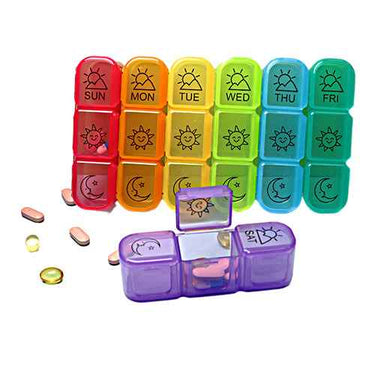
A standard plastic organizer might be treated as a disposable utility item, while a pill box in a custom color becomes something people keep in their bags, take everywhere, and feel comfortable using in front of others. The difference isn't necessarily the cost of the material. It's whether the product feels personal.
The growing connection between everyday objects and personal style has also been recognized in the fashion industry. In its coverage of the fashionization of everyday essentials, Vogue has highlighted how consumers continue to value quality and functionality while also seeking products that reflect their identities. Practicality and self-expression are no longer mutually exclusive.
The popularity of Stanley tumblers, particularly their collaborations and seasonal limited-edition colors, illustrates this shift. When an item appears in someone's hands every day, it becomes more than a tool. It becomes a small but visible expression of personal taste.

They are naturally integrated into everyday routines.
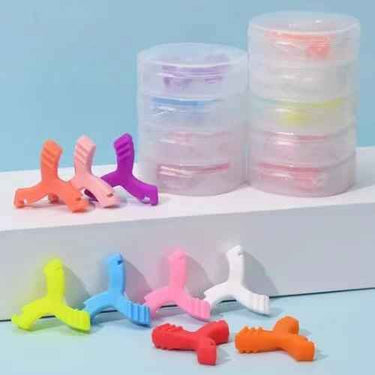
Bag charms have evolved beyond simple decorations into miniature storage solutions. Lipstick cases, earbud holders, and small supplement containers are increasingly attached to bags, making everyday essentials easier to access.
Because these products are handled so frequently, their appearance and texture can be experienced dozens of times a day. A mini storage case in a favorite color may seem like a minor detail, but those small moments of satisfaction can add up over time, sometimes creating more lasting enjoyment than a larger fashion purchase that rarely gets used.
They are easy to personalize.
From engraving and custom colors to different materials and finishes, small accessories are generally easier to customize than larger consumer products. Their relatively simple production processes also make personalization more accessible.
A report by The Times of India highlights how personalization has moved far beyond adding a name to a keychain. Consumers increasingly want to choose colors, details, and patterns that make an item unmistakably their own.
For a custom plastic case, for example, developing a product in a specific color can be considerably more straightforward than customizing a piece of furniture.
They make practical and meaningful gifts.
Personalized pill boxes and mini storage cases offer an interesting advantage as gifts: recipients are likely to use them regularly. Each time they reach for the item, it can serve as a small reminder of the person who gave it to them.
That repeated, everyday connection can make a practical gift more memorable than something that simply sits on a shelf.
Market research on the Indian pill box industry has also identified decorative and gift-oriented pill organizers as an emerging growth opportunity.
The numbers behind the pill box market help illustrate this transformation. The global pill box market is projected to grow from approximately $1.32 billion in 2025 to $2.55 billion by 2034, representing a compound annual growth rate (CAGR) of 8.58%.
This growth is driven not only by increasing medication management needs associated with an aging population, but also by demand for more personalized medication management solutions.
In other words, consumers aren't simply buying something that holds their medication. They're looking for products that fit their personal preferences, appearance expectations, and everyday routines.
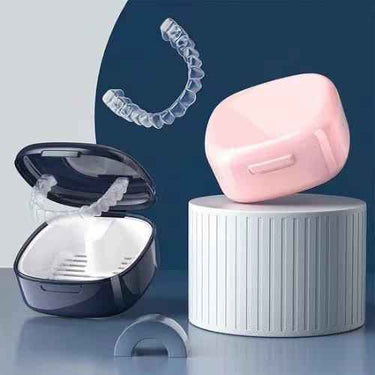
Plastic storage products are experiencing a similar transformation. Rather than being selected purely for their storage capacity, they are increasingly treated as desktop accessories, travel essentials, and personal organizers.
The value of a custom plastic storage box isn't just about how much it can hold. It's also about whether it looks good on a desk, feels appropriate when taken out of a bag, and maintains its appearance after repeated use.

Color creates the first impression.
People often form an impression of a product within seconds. A muted, matte-finish pill case and an ordinary translucent plastic box communicate very different things.
One feels thoughtfully selected; the other feels purely functional. With plastic products, offering customized colors is often relatively accessible, yet the difference in perceived value can be significant.
Shape and texture influence the user experience.
Opening resistance, surface finishes, edge curves, and closure mechanisms may seem like minor design details, but they become increasingly noticeable through repeated use.
A pill box with a loose lid can cause subtle frustration every time it's opened. By contrast, a case with a smooth, secure snap closure can create a consistently satisfying experience.
This isn't simply a matter of aesthetics. It's a fundamental principle of product design: frequently touched details have a significant influence on long-term user satisfaction.
Personalization makes everyday items feel unique.
Personalization doesn't have to involve complicated customization. A specific color, a set of initials, or even an unusual size choice can be enough to create a sense of ownership.
A pill box engraved with someone's initials feels different from a generic one picked up from a store shelf. The distinction goes beyond appearance. It creates a stronger emotional connection between the user and the product.
In its analysis of customized accessories, Fashion Week Online has highlighted how personal meaning can influence why people continue wearing and using particular items. The same idea applies to everyday essentials: when a product represents something personal, it becomes harder to see it as just another ordinary object.
For brands, personalization is about much more than adding an engraving option or offering a few extra colors.
McKinsey reports that companies that excel at personalization generate 40% more revenue than their less successful counterparts. Beyond the numbers, however, personalization can help transform a one-time transaction into an ongoing relationship between a brand and its customers.
When consumers choose a custom-colored storage case or personalized pill box, they have already invested time and thought into the product. That involvement can strengthen their sense of ownership and encourage repeat purchases.
Replacing an item that carries a personal touch may feel less appealing than replacing a generic product.
Salsify's research also found that 68% of shoppers had paid more for a product in the past year because they trusted the brand. Personalization can contribute to building that trust. A brand that gives customers the freedom to choose colors, add initials, or customize product details demonstrates a willingness to recognize individual preferences.
For personal care brands, this creates an opportunity to offer products that feel more relevant, distinctive, and connected to customers' everyday lives.
The commercial potential of small accessories is often underestimated. Their relatively low price points can make them seem like secondary products, but that same accessibility makes them effective entry points for attracting new customers.
Someone purchasing a custom pill box for the first time may simply need a convenient medication organizer. But if the product exceeds expectations in terms of functionality, texture, and design, that positive experience can open the door to other products from the same brand.
More importantly, small products offer considerable opportunities for product line expansion.
A consistent design language, color palette, and manufacturing approach can be extended across travel organizers, desktop storage solutions, portable containers, and other everyday accessories.
Amcor's packaging innovations offer an interesting reference point. By introducing smaller packaging formats, such as 15ml, 20ml, and 25ml containers, brands can create more accessible entry-level products while maintaining visual and design consistency.
The same principle applies to small accessory collections: a carefully developed range of SKUs can serve multiple everyday scenarios while building a recognizable product identity through consistent colors, materials, and finishes.
The value of small things has never been about their size. It comes from how often people interact with them.
When someone opens a case, closes it, takes it out of a bag, and puts it back again, the same small action is repeated day after day. Eventually, the object becomes more than a product. It becomes part of a routine, a familiar detail in everyday life, and a small distinction between something that simply belongs to anyone and something that feels uniquely yours.
If you're looking for custom plastic storage boxes, mini organizers, personalized pill boxes, or OEM/ODM manufacturing solutions for lifestyle and personal care accessories, explore our product range at PINES. We offer customized solutions to help brands turn everyday essentials into products with distinctive designs and practical value.

