


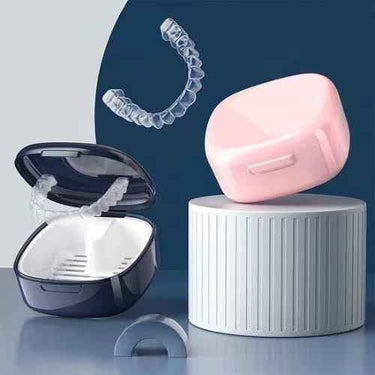

Packaging plays a critical role across all markets within the healthcare and pharmaceutical industries, where safety, usability, and compliance are non-negotiable. Every packaging solution is designed to protect products, preserve efficacy, and ensure ease of use. However, a correct understanding of packaging materials can only be achieved by recognizing their specific characteristics and applications. Choosing the right dental packaging boxes is essential for enhancing personal hygiene standards and maintaining product quality.
One of the most important functions of dental appliance packaging is its ability to preserve the purity and integrity of the contents. This ensures that dental products remain hygienic and ready for use. From the moment production is completed to the point of end use, packaging must withstand transportation vibration, fluctuations in temperature and humidity, and stacking pressure during storage. Seal integrity and structural stability form the foundation of a reliable hygienic barrier.
In practical terms, not every customized box must meet full medical device sterilization standards. However, for products that come into direct contact with the oral cavity—such as aligners and retainers—basic protection against dust, moisture, and compression is the minimum requirement. Many dental manufacturers underestimate the after-sales costs caused by packaging damage. A single customer complaint stemming from corner cracking can easily offset the profit from hundreds of orders.
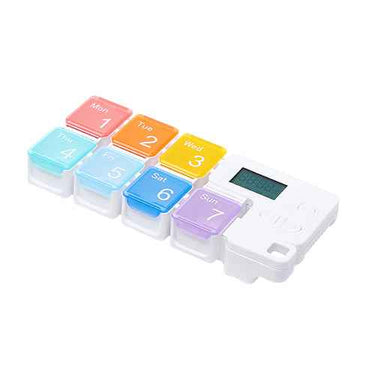
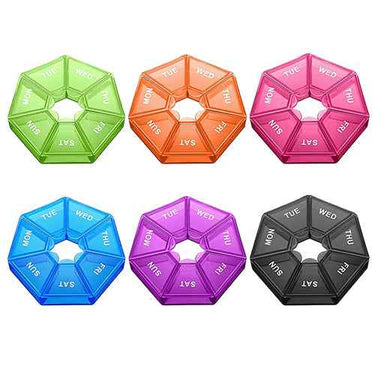
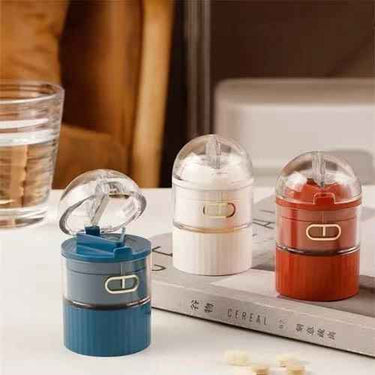
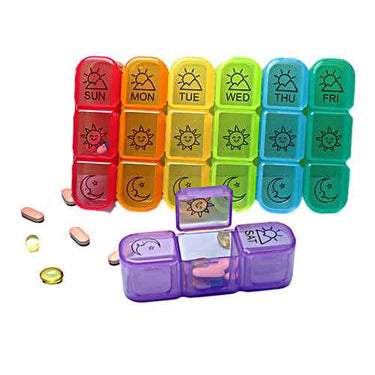
Human-centered design is another key consideration. Dental boxes with easy-open lids and dedicated compartments enable organized storage and efficient use. In clinical settings, nurses often need to access products with one hand, making flip-top boxes more practical than drawer-style designs. In home-use scenarios, users may forget where accessories are stored; compartmentalized trays provide far greater clarity than generic paper inserts. These details are not decorative enhancements—they are functional investments that reduce barriers to use.
Dental packaging boxes are also essential for brand building and market communication. Manufacturers can customize these boxes with attractive graphics, clear product information, and brand logos to increase brand recognition and help consumers make informed purchasing decisions. On clinic shelves, products are often highly homogeneous, and neither dentists nor patients are obligated to look past rough or unclear packaging to discover product value. Customized packaging is not about embellishment; it is about information efficiency. Clear specification placement, prominent certification marks, and easy-to-follow usage instructions all contribute to perceived professionalism. Clarity itself is a signal of expertise.

Structural Design and Functionality
Structural design is the primary technical threshold in customized dental packaging. Protection is not achieved through thickness alone; it must be aligned with real supply-chain conditions. For cross-border e-commerce, controlling volumetric weight is critical, which means eliminating unnecessary internal voids. For clinic procurement, storage convenience and repeated opening durability take priority, requiring validated hinge strength and closure performance.
Functional performance must be verified at the prototyping stage. For example, slot tightness should be defined by the average extraction force required for an aligner, rather than subjective hand feel. Design teams should work with three-dimensional product models to achieve accurate tolerance matching and avoid issues caused by material shrinkage, such as overly tight fits or internal movement. Only data-driven structural solutions can ensure stable production yields.
Material Selection and Perceived Quality
A premium tactile experience begins with material performance and compliance cost, not surface decoration.
High-end whitening kits may benefit from coated paper combined with soft-touch lamination to enhance grip and tactile feedback. In contrast, high-volume clinic supplies should prioritize the cost efficiency of the grey-back whiteboard. Sustainability has shifted from an optional consideration to a baseline requirement. The EU PPWR regulation introduces quantified recyclability targets, making mono-material structures far easier to approve than composite alternatives. Ignoring the recycling infrastructure of the target market during material selection often leads to corrective costs that far exceed any initial material premium.
Branding and Visual Communication
Branding and visual design transform product information into visual efficiency. Dental products typically require the display of indications, contraindications, batch numbers, and expiration dates. The designer’s task is not to compress this information into a limited space, but to guide readability through typographic hierarchy, color zoning, and icon-based communication.
Clinicians typically prioritize registration numbers, while consumers are more concerned with age suitability or recommended wearing duration. When these priorities conflict, the front panel should present the core selling points, with detailed information extended to side panels or internal liners. Process applications must remain restrained. Foil stamping can reinforce brand recognition, but excessive coverage over text areas reduces legibility. A mature visual system is validated during the sampling stage under different lighting conditions, with confirmed color consistency and verified ink abrasion resistance on the specified substrate.

To create a truly memorable first impression, it is worth considering a multi-component kit rather than a single box. This approach represents not just packaging, but a complete system.
A typical premium kit may include:
Outer box or sleeve: The first visual layer, usually designed with a minimalist aesthetic.
Primary holder box: The core component, customized according to functional and structural requirements.
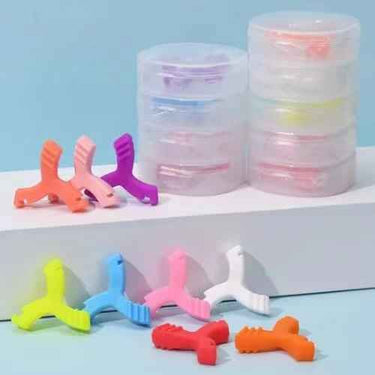
Accessory tray: A tailored insert designed to organize aligners, chewies, and instruction manuals neatly.
This layered unboxing experience builds anticipation and reinforces perceptions of product quality.
Customized dental packaging integrates material science, structural engineering, and printing technology. A supplier focused on only one aspect cannot effectively manage the entire system. A professional packaging partner should be able to engage from the concept stage—recommending heat-resistant materials based on sterilization methods, adjusting adhesive formulations to comply with destination-country regulations, and optimizing box structures to reduce cross-border logistics costs by more than 15%.
Engineering teams should include experienced specialists capable of identifying mass-production risks during design reviews, such as insufficient draft angles or conflicts between crease lines and slot positions. Sample approval should extend beyond visual confirmation to include compression, drop, and environmental resistance test reports. Suppliers with integrated production lines and in-house mold development capabilities can offer tiered pricing at early launch stages, helping new brands avoid missing market opportunities due to rigid minimum order quantities.

Q1: What is the typical lead time for customized dental appliance orders?
Lead times depend on order complexity and quantity and are typically 4–6 weeks. A detailed project timeline will be provided once specific requirements are confirmed.
Q2: Can you help with the design if we only have a basic concept?
Yes. Our design and engineering teams can develop a professional, manufacturable solution aligned with your brand identity based on an initial concept.
Q3: What is the minimum order quantity (MOQ)?
With a fully integrated in-house production line, we support brands of all sizes. While MOQs vary by project, we offer highly competitive minimums. Please contact us for a customized quotation.
Q4: Are your packaging materials environmentally friendly?
Yes. We offer a range of recyclable and biodegradable materials. Share your sustainability goals with us, and we will recommend the most suitable solution.
The depth of customization in dental packaging directly influences product premium potential and customer retention. Whether you are redesigning an existing product line or developing a new series from scratch, we recommend engaging a medical-grade packaging supplier for manufacturability evaluation using physical samples or design files. Structural design, material selection, and visual communication should be developed in parallel rather than sequentially.
When customized dental packaging boxes successfully integrate hygienic protection, logistics compatibility, and information clarity, they evolve from a cost item into a brand asset.
PINES provides end-to-end customization services from concept development to mass production, supporting small-batch orders and sustainable material options. To evaluate your current packaging or request samples, you can connect directly with the engineering team.

