





Strictly following medical prescriptions is essential for effectively controlling chronic diseases. In fact, research shows that patients generally need a medication adherence rate of 80% or higher to achieve optimal therapeutic outcomes. However, adherence to chronic disease medications averages around 50%, and for certain conditions such as chronic obstructive pulmonary disease (COPD), the rate can fall to between 10% and 40%.
This significant “adherence gap” directly leads to nearly 70% more preventable hospitalizations and places a heavy financial burden on healthcare systems.
This article explores the challenges patients face in maintaining their medication regimens and examines the impact of poor adherence on both health outcomes and healthcare costs. It also discusses how Remote Therapeutic Monitoring (RTM), supported by a smart pill box, can significantly improve the tracking of patient medication adherence.
Medication non-adherence refers to situations in which patients do not take their medication or follow medical instructions as prescribed. The reasons behind this issue extend far beyond simply “forgetting.”
Many patients face multiple barriers, including complex medication regimens involving several drugs taken multiple times per day, a limited understanding of the importance of medication, concerns about potential side effects, and financial pressure caused by high treatment costs.
For individuals managing long-term chronic conditions—such as diabetes, hypertension, or cognitive disorders—lifestyle disruptions and declining memory further increase the risk of missed or incorrect doses.
This lack of adherence not only leads to worsening health outcomes for patients but also contributes to unnecessary hospitalizations and treatment failures, costing healthcare systems billions of dollars each year.

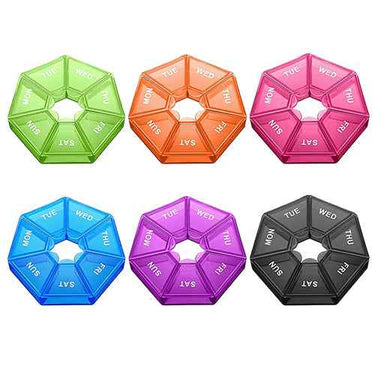
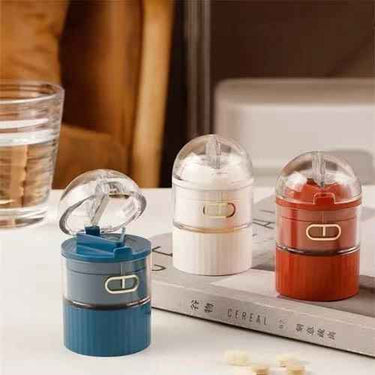
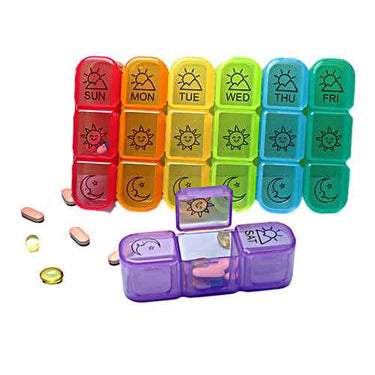
Traditional pill organizers or dose boxes function primarily as physical containers for sorting and storing medication. While they provide basic organization, they cannot address the most important question in medication management: whether the medication has actually been taken on time.
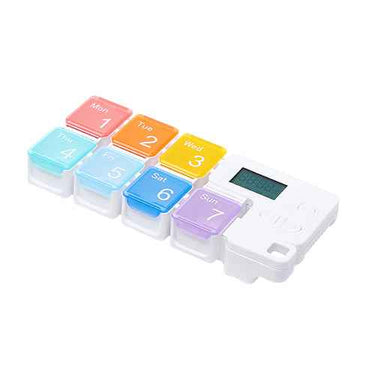
A smart pill box, however, upgrades this simple container into a compact health management system through the integration of Internet of Medical Things (IoMT) technology.
These devices typically include:
1. Built-in sensors (such as mechanical, infrared, or weight sensors)
2. Wireless communication modules (Wi-Fi, 4G, or Bluetooth)
3. Audio and visual reminder systems
Rather than simply storing medication, the device can detect when a compartment is opened and automatically transmit this information securely to designated recipients, such as family members via mobile apps or healthcare providers through monitoring platforms.
The real value of a smart pill box lies in transforming passive medication routines into active, guided adherence.
Instead of relying solely on memory, patients receive reminders and confirmations that form a complete closed-loop process: reminder → action → confirmation → feedback.
For elderly individuals experiencing memory decline or patients with complicated medication schedules, this technology significantly reduces the cognitive burden associated with managing treatment plans.
Users no longer need to remember which medication to take and when. They simply follow the device’s instructions: when a sound alert or flashing light appears, they open the corresponding medication compartment.
This simplified interaction greatly improves convenience in daily life.
For family members, the smart pill box also reduces the need for repeated verbal reminders, which can sometimes create tension within families. By transferring the monitoring responsibility from people to an objective device, the system helps protect the patient’s dignity while maintaining effective supervision.

The reminder system of a smart pill box is designed to be both precise and multi-layered.
Unlike a simple alarm clock, the device offers multiple stages of alerts.
Primary reminders
The device first notifies the user through:
1. Loud audio alarms
2. Bright LED flashing lights
3. Vibration alerts suitable for individuals with hearing impairments
If the patient does not open the pill box within the scheduled time window, the system automatically escalates to secondary reminders, sending alerts through:
1. SMS messages
2. Mobile app notifications
3. Automated phone calls to caregivers or family members
This progressive alert mechanism ensures that missed doses can be identified and addressed promptly, even when caregivers are not physically present.
Some advanced devices also feature automatic compartment opening, which further simplifies the medication retrieval process.
One of the most valuable features of a smart pill box is its ability to generate objective medication adherence records.
Every time the pill box is opened, the system logs a timestamp that can later be displayed in visual charts and reports. These records provide a clear overview of long-term medication adherence patterns.
Such data plays an important role in clinical decision-making.
For instance, if a patient claims to have taken their medication but treatment outcomes remain poor, adherence records allow physicians to determine whether the issue lies with medication compliance or with the treatment plan itself.
More advanced systems allow the smart pill box to function as a central hub for personal health data, integrating with devices such as:
1. Smart blood pressure monitors
2. Blood glucose meters
This integration allows doctors to evaluate medication adherence alongside physiological indicators, such as blood pressure or glucose levels, before and after medication, enabling more precise treatment adjustments and personalized care.

For physicians and healthcare organizations, Remote Therapeutic Monitoring (RTM) enabled by a smart pill box greatly expands care capabilities.
In the past, clinicians relied heavily on patient self-reporting to understand medication behavior outside the clinic. Such information was often incomplete or inaccurate.
With connected devices like the PINES smart pill box, healthcare providers can remotely monitor medication adherence through automatically transmitted data, without requiring additional actions from patients.
This continuous data flow offers several benefits:
1. Reduced workload for manual follow-up calls
2. Early identification of missed medication patterns
3. Preventive intervention before conditions worsen
In the United States, many remote monitoring devices that meet Medicare RTM standards can also generate reimbursable revenue for healthcare providers. As a result, smart pill boxes have become not only clinical tools but also important infrastructure for improving healthcare efficiency and service quality.
Although a smart pill box provides advanced functionality, it is not the only option, nor is it always necessary.
Traditional pill organizers and dose boxes remain affordable, simple, and easy to use, making them effective tools for individuals with uncomplicated medication routines and intact cognitive function.
However, it is also important to recognize the limitations of smart pill boxes.
For example:
1. They cannot fully confirm whether medication has been swallowed, a challenge often referred to as the “last inch problem.”
2. Individuals with advanced Alzheimer’s disease may not fully understand reminder signals.
3. The device depends on electricity and network connectivity, which introduces the possibility of technical failures.
For these reasons, a smart pill box works best as part of a human-technology collaborative system for medication management.
While it cannot replace family support or in-person supervision when necessary, it can significantly reduce monitoring gaps and lower the risk of medication errors.

In the face of the growing challenges of chronic disease management, the smart pill box has evolved from a conceptual innovation into a practical necessity.
If you are looking for a solution that combines precise reminders, medication tracking, and remote therapeutic monitoring, the PINES smart pill box provides a reliable and intelligent approach to modern medication management.
By integrating advanced technology with thoughtful design, PINES helps make medication adherence a seamless part of everyday life—bringing greater safety, confidence, and peace of mind to patients, families, and healthcare providers.

