


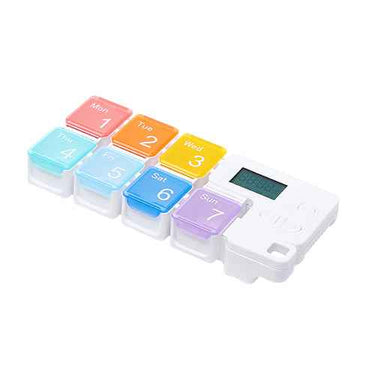
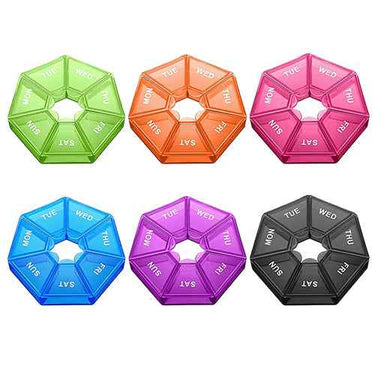
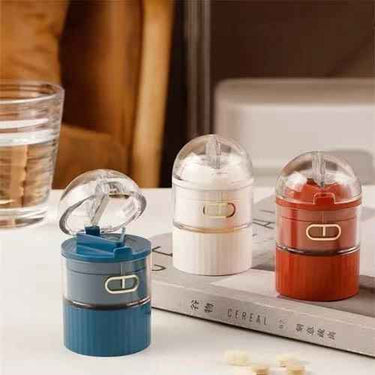
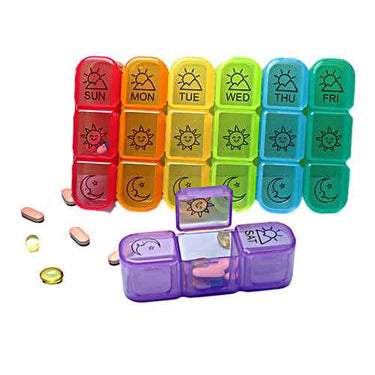

As the global population of invisible aligner users continues to grow, the oral care market surrounding this niche is undergoing a profound shift toward specialization and refinement. Consumers are no longer satisfied with basic cleaning solutions; instead, they are seeking a comprehensive, end-to-end care experience that matches the value and precision of their orthodontic treatment.
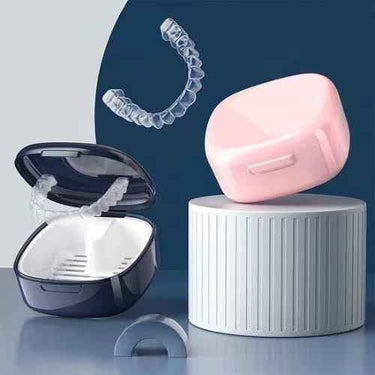
This evolution is fundamentally reshaping product development logic. At the center of this transformation lies a once-overlooked accessory—the aligner case—which is now evolving from a simple container into the core of an intelligent oral care packaging solution and an integrated care system.
One of the most persistent pain points for invisible aligner users is fragmented care across multiple scenarios. Traditional standalone products are inconvenient to carry and often result in missed steps during daily routines, especially when users are on the move.
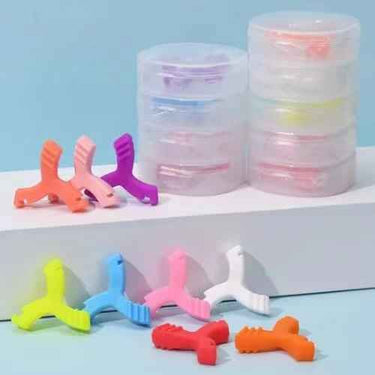
As a result, professionally integrated care kits—combining the aligner case, bite chewies (bite glue), and aligner removal hooks into a single system—have emerged as a clear market direction.
At its core, this trend redefines the aligner case. It is no longer merely a storage container, but a portable mobile care station. A well-designed aligner case must feature functional internal zoning, including a hygienic, dry compartment for aligner storage and secure, dedicated slots for chewies and removal hooks.
The value of this systemized approach lies in its ability to improve user compliance and convenience significantly. Whether at home, in the office, or while traveling, users can perform standardized aligner cleaning, insertion, and maintenance anytime and anywhere, helping to ensure optimal treatment outcomes.
Beyond solving practical issues, this approach addresses a deeper psychological need: the desire for refined care and conscious self-investment. Market feedback consistently shows that integrated care kits achieve higher user loyalty and repeat purchase rates than individually sold accessories, reinforcing their role as a cornerstone of modern oral care packaging solutions.

Personalization has moved far beyond surface-level customization. For aligner case systems, it is no longer limited to name engraving or color selection, but is advancing toward scenario-based personalization and function-driven customization.
Scenario personalization requires product design to align with different lifestyles. For example, student users may prioritize compact, impact-resistant designs, while business professionals often prefer premium materials such as metal or advanced composites that complement formal attire.
Functional personalization, on the other hand, is closely tied to different stages of orthodontic treatment. During various phases—initial adaptation, mid-treatment adjustment, or retention—users may require different chewie firmness levels or removal hook leverage designs.
Future aligner care kits can address these needs through modular components, such as interchangeable chewie heads with varying hardness levels or removal hooks optimized for different aligner tightness levels. While this level of personalization presents challenges in supply chain agility and user education, it also creates a powerful competitive moat. Products shift from generic tools to personalized companions, strengthening long-term brand attachment.

In an increasingly competitive market, maintaining strong brand consistency is essential for building trust. For aligner care kits, consistency manifests across three key dimensions: design language, material ethics, and user experience.
First, from the aligner case to every internal accessory, industrial design, color systems, and tactile feedback must follow a unified visual and sensory language, reinforcing the brand’s positioning—whether professional, minimalist, or lifestyle-oriented.
Second, material selection serves as a clear declaration of brand values. The use of biodegradable bio-based materials, food-grade silicone, or durable antibacterial components directly responds to consumer expectations for safety, sustainability, and responsible oral care packaging solutions.
Finally, the entire experience—from unboxing to daily use and maintenance—must be seamless and intuitive. Any rough edges, awkward opening mechanisms, or unclear instructions can immediately undermine a carefully constructed professional image. Consistency ensures that brand promises are fulfilled at every touchpoint, transforming one-time buyers into long-term brand advocates.

In the coming years, competition within the invisible aligner care market will be defined by system-level solutions grounded in a deep understanding of user needs across the full treatment lifecycle and multiple usage scenarios.
As the hub of this system, the aligner case has evolved from an accessory into an essential component of professional care. Successful products will seamlessly integrate portable system design, flexible functional configuration, and uncompromising brand consistency.
Brands that execute precisely across these three dimensions will meet the expectations of increasingly discerning consumers in 2026—users who are not simply purchasing a box, but investing in a complete care solution that protects treatment results, fits seamlessly into their lifestyle, and aligns with their personal values.
Market evolution ultimately serves the deeper exploration of user needs. For brands like Pines, focusing on this specialized segment and translating these trends into tangible products through innovation and rigorous manufacturing represents the most reliable path to long-term success.

