




Scroll through TikTok, and you'll likely come across videos of people applying silicone patches to their faces, taping their mouths shut, wearing chin straps, and wrapping their hair in silk bonnets before bed. The next morning, they film themselves peeling everything off layer by layer, revealing what they hope will be a refreshed, more sculpted appearance. This nighttime routine has a name: Sleepmaxxing. Its morning reveal ritual is known as the Morning Shed.
Meanwhile, another group of beauty enthusiasts is spending up to 45 minutes in the bathroom performing what's known as an Everything Shower. From scalp exfoliation and body scrubs to hair masks and deep cleansing, these routines involve so many steps that some creators need multiple videos to document the entire process.
Self-care has never been more elaborate or more performative.
The idea behind Sleepmaxxing sounds reasonable enough. Since we spend roughly one-third of our lives sleeping, why not use that time to improve our skin and appearance? Mouth tape, silicone anti-wrinkle patches, collagen sleeping masks, and chin-lifting straps all promote an appealing promise: beauty treatments that work while you sleep.
Dermatologists, however, tend to take a more cautious view.
Some experts point out that silicone patches can temporarily make the skin appear smoother and more hydrated by creating an occlusive environment. However, once the patches are removed, these effects generally fade. There is no convincing evidence that wearing them overnight can permanently change skin structure or slow the aging process.
The same applies to collagen sleeping masks. Their moisturizing benefits can be real, but claims that topical collagen products directly replenish the skin's natural collagen levels are not well supported by scientific evidence.
There are also potential downsides. Wearing adhesive patches or restrictive bands for extended periods may cause irritation, discomfort, or skin sensitivity, particularly for people with already sensitive skin.
The Morning Shed, a spin-off of Sleepmaxxing, turns what was once a private skincare routine into a public performance. Peeling off patches and removing overnight beauty accessories becomes a carefully edited reveal, complete with sound effects, accelerated footage, and social media engagement.
The problem arises when skincare decisions are driven by what looks good on camera rather than what actually works for an individual's skin.

Fans of the Everything Shower often describe it as a form of self-care and personal ritual, an opportunity to set aside an hour for themselves in an otherwise busy schedule.
ELLE has described the trend as a form of rebellion against a culture of constant connectivity and productivity. Instead of optimizing every minute, people take time to enjoy something with no immediate practical purpose. There is some truth to this idea. Warm water, pleasant fragrances, and the sensation of exfoliating treatments can all provide an immediate sense of relaxation.
However, Allure has raised a different question: when taking care of yourself turns into consuming more than ten products in a single shower, is it still really self-care?
One article highlighted the environmental cost of these extended routines. A typical 20-minute shower can use around 40 gallons of water, while an Everything Shower often lasts considerably longer.
More importantly, these elaborate routines can create an invisible standard of what proper self-care should look like. Without a body scrub, hair mask, multiple cleansing steps, or a carefully selected collection of products, does your routine somehow feel incomplete?
This is precisely the kind of pressure that the wellness industry is beginning to push back against in 2026.
The Global Wellness Summit has identified the backlash against excessive optimization as a major wellness trend, highlighting how health and well-being can become stressful when they are treated as tasks that must be performed correctly rather than experiences that should make people feel better.
Both Sleepmaxxing and the Everything Shower sit close to this boundary. They offer tools for improving daily routines, but they can also create an uncomfortable sense that we are never doing quite enough.
Beyond the debate over excessive routines, these trends reveal a genuine shift in the personal care market.
Haircare and body care are increasingly adopting the principles of skincare, a development often described as skinification. Ingredients such as hyaluronic acid, niacinamide, and peptides, once mainly associated with facial skincare, are now appearing in shampoos, body lotions, and even oral care products.
Scalp care has also emerged as a distinct product category, recording 19% year-over-year growth in the first half of 2025. Meanwhile, body care has been growing faster than oral care in the global market, reflecting consumers' increasing willingness to apply the same level of attention to the rest of their bodies as they do to their faces.
At the same time, product appearance and user experience are becoming increasingly important purchasing factors.
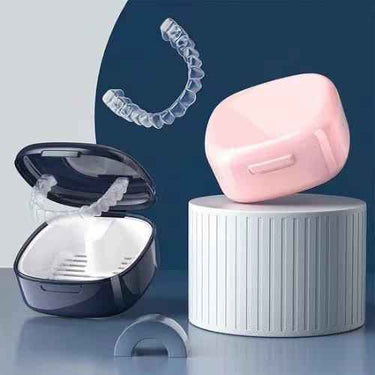
A storage case, toothbrush, or bottle of body wash is no longer viewed simply as a functional object. Consumers also expect products to look attractive, photograph well, and fit the overall aesthetic of their bathrooms.
This is not simply about vanity. It reflects a natural transition in personal care, from solving individual problems to building enjoyable daily habits. When self-care becomes associated with emotional well-being, the products involved naturally take on greater aesthetic significance.
Oral care is a good example of this shift.
According to JD.com's supermarket business data for the first half of 2026, demand for functional toothpaste products, including gum-care and whitening formulas, continued to expand. Consumers also showed stronger interest in upgrading their oral care routines and choosing products with specific benefits.
Toothpaste is no longer just toothpaste. It has become part of a morning ritual and a small, everyday reminder that taking care of yourself matters.

For businesses in the personal care and oral care industries, the lesson is not to chase every new TikTok trend. It is to understand the underlying shift in consumer expectations: people want effective simplicity, not unnecessary complexity.
The popularity of Sleepmaxxing reflects genuine consumer concerns about sleep quality, skin appearance, and overall well-being. However, scientific credibility is increasingly becoming a deciding factor when consumers evaluate beauty and skincare products.
The debate surrounding the Everything Shower shows that personal rituals have real value, but excessive product consumption can eventually trigger resistance.
Meanwhile, the spread of skinification demonstrates that ingredient awareness is becoming more widespread. Consumers are increasingly informed and selective. They are willing to pay for products that deliver tangible benefits, but they are also getting better at recognizing exaggerated marketing claims.
Another important signal comes from Gen Z purchasing behavior. Despite ongoing economic pressures, Ulta's CEO noted at a Fortune forum that younger consumers were not necessarily trading down in beauty and wellness spending. Instead, they were becoming more selective and intentional about their purchases.
For brands, this means the opportunity is not necessarily to introduce more products or add more steps to an existing routine. It is to become the product consumers choose to keep.
Ultimately, self-care should make people feel better, not make them feel as though they are constantly falling short. When a routine requires alarms, checklists, and a filming schedule just to get through it, something may have gone wrong.
Products should serve people, not the other way around.
If you are looking for personal care and oral care products that simplify everyday routines while meeting practical quality and formulation expectations, explore what PINES has to offer.
Subscribe to our website for wholesale inquiries, product updates, and insights into emerging trends in the personal care and oral care industries. Discover how thoughtful product design and practical innovation can make everyday care simpler and more enjoyable.

