





In a world filled with appointments, meetings, workouts, rehearsals, and never-ending to-do lists, we all need a little help staying organized and remembering what matters most—including when to take our medication.
This is more important than it may seem. More than half of Americans take prescription medication every day, with the average person taking four different pills per day. In addition, 70% of Americans over 60 take vitamins or dietary supplements daily, and many take several different supplements each day. Keeping track of all those colorful pills can take more mental effort than you might expect.
Today, let's look at why taking medication on schedule matters and how a simple medication management routine can make the process easier, more accurate, and almost effortless.

Before looking at specific solutions, it is important to understand one basic principle: medication adherence—the extent to which a patient follows their prescribed treatment—is directly linked to treatment outcomes. From a clinical perspective, failing to take medication as directed can prevent a condition from being properly controlled and may even allow it to worsen.
Medication non-adherence is associated with preventable health complications, including cardiovascular problems, and can contribute to avoidable hospital and nursing home admissions. For people managing chronic conditions or taking medication over a long period, maintaining a consistent level of medication in the body can be particularly important.
Missing doses or changing the dosage without medical advice can cause symptoms to return, reduce treatment effectiveness, and, in some cases, contribute to drug resistance. That is why establishing a reliable medication management system can be just as important to daily treatment routines as having the medication itself.

If medication adherence is so important, what can you actually do to make it easier? By combining several proven habits, the following four steps can help create a practical and reliable medication management system.
1. Prepare Your Medication in Advance
Weekly pill organization is not a new idea, but it remains one of the simplest ways to reduce the daily mental effort involved in taking medication.
Choose one specific time each week—for example, after dinner on Sunday—to prepare your medication for the next seven days. Instead of opening multiple medicine bottles every day, you can organize your doses at once and immediately see how much medication you have available for the week.
This routine not only saves time and reduces daily decision-making, but also makes it easier to notice when your medication supply is running low, helping prevent unexpected interruptions.
2. Record Your Medication, Dosage, and Time
Keeping track of what you take, how much you take, and when you take it is another important part of effective medication management.
You can use a traditional medication log, your phone's notes app, or a health management app. The specific tool matters less than building a consistent habit.
Try following a simple rule: record your medication immediately before taking it, or mark it off immediately afterward. This creates a clear record and makes it much easier to confirm whether a dose has already been taken.
3. Use a Rainbow Pill Organizer
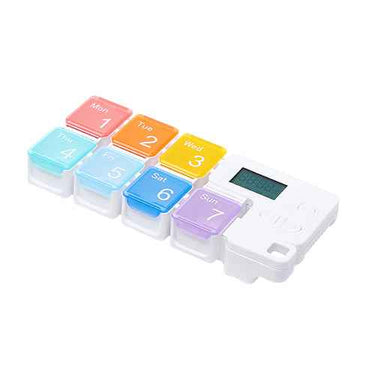
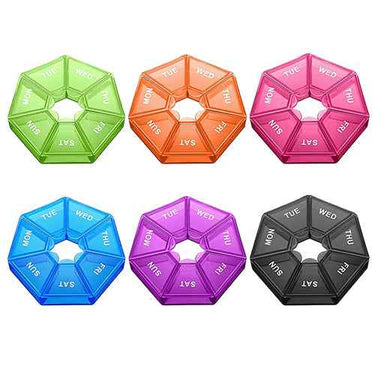
Among the many medication management tools available, a rainbow pill organizer combines practical organization with a simple visual reminder.
A pill organizer is more than just a container with multiple compartments. It can also serve as a visual cue that makes a daily medication routine easier to remember.
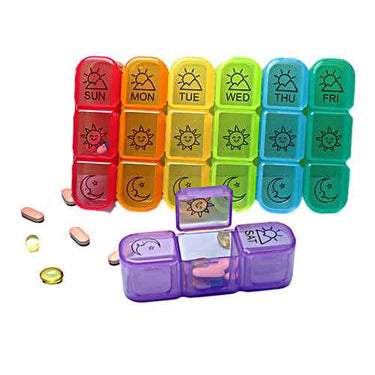
Color is a powerful visual signal. A rainbow pill organizer can assign a different color to each day of the week, helping create an easy mental connection between a specific color and a specific day. Instead of stopping to think, "Did I take today's medication?", you can simply check the corresponding compartment and see whether it is empty.
This simple visual system can be particularly helpful for people who take multiple medications or supplements every day.
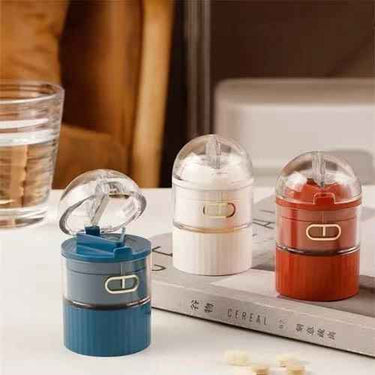
As medication routines become more varied, rainbow pill organizers and weekly pill boxes are also available in several different designs to suit different needs.

Basic Moisture-Resistant Design: This is a practical choice for straightforward medication routines. Many models use food-grade PP or ABS and are BPA-free, odorless, and designed for everyday use. Some also feature silicone sealing rings to help protect pills and capsules from moisture and dust. These designs are suitable for people who take medication once or twice a day and want a simple weekly pill organizer.
Large-Capacity Multi-Compartment Design: These pill organizers are designed for people who take medication three or four times a day or need to organize several larger pills or supplements, such as fish oil or calcium tablets. Individual daily compartments may be divided into morning, noon, evening, and bedtime sections. Some larger designs offer up to 42 compartments, providing more precise medication organization for routines with multiple daily doses.
Portable Modular Design: For frequent travelers or people who regularly carry medication outside the home, a modular pill organizer can offer greater flexibility. Individual daily or dose compartments can be removed and carried separately, so there is no need to bring the entire weekly pill box. Some premium designs use metal construction with magnetic sliding lids for added durability and convenience, although these options generally come at a higher price.
4. Set Up Automatic Prescription Refills
This is one of the easiest steps to overlook, yet it can be the final line of defense against running out of medication.
Rather than waiting until a prescription bottle is almost empty, take advantage of automatic refill and reminder services offered by your pharmacy whenever available. You can also set a reminder in your phone calendar one week before your medication is expected to run out.
For people taking long-term medication, this simple habit can help prevent gaps in treatment caused by an unexpected shortage or delayed refill.

Not all pill organizers are designed the same way. When choosing the right option for your daily routine, appearance and color are only part of the decision. Three practical factors deserve particular attention.
Choose the compartment layout based on your medication schedule: If you take one pill a day, a basic weekly pill organizer may be enough. If you take multiple pills at different times, choose a pill box with more compartments. For medication taken four times a day, a design clearly divided into morning, noon, evening, and bedtime sections can make daily organization much easier.
Pay attention to materials and moisture protection: Look for a pill organizer labeled BPA-free and made from suitable materials for everyday medication storage. If you live in a humid climate, a moisture-resistant pill organizer with a silicone sealing ring can be especially useful. It helps reduce exposure to moisture that could affect the condition of certain tablets or capsules.
Consider hand strength and ease of use: For older adults or anyone with limited hand strength, a pill organizer with push-button access or a magnetic sliding lid can be easier to operate than a design that requires a fingernail to open. Large, easy-to-read day labels are another useful feature, especially for daily medication management.
Managing medication is ultimately about managing both health and daily routine. By preparing medication on a fixed schedule, recording each dose, using a rainbow pill organizer as a visual reminder, and setting up automatic refill alerts, you can turn a potentially complicated daily task into a simple and reliable habit.
At Pines, we focus on practical medication and health-management products designed around everyday user needs. From portable pill organizers to customized medication storage solutions, thoughtful details in product design can make daily routines more convenient and manageable.
Want to learn more about practical medication management tools and useful organization tips? Subscribe to our updates for more insights and product information to help make everyday routines simpler and more organized.

