


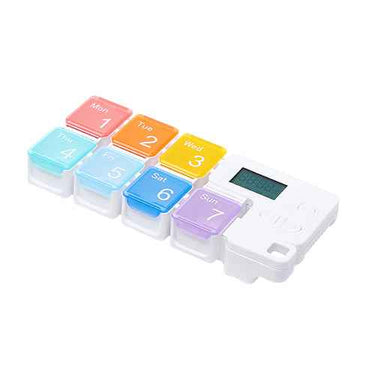
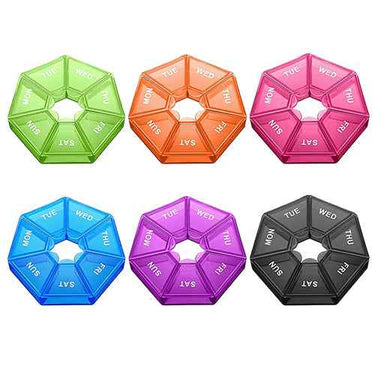
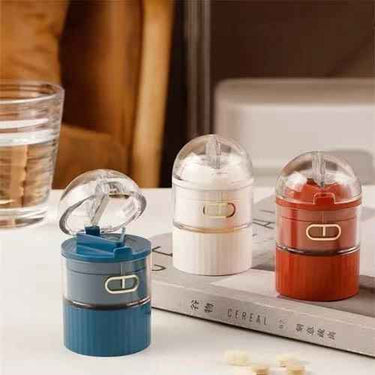
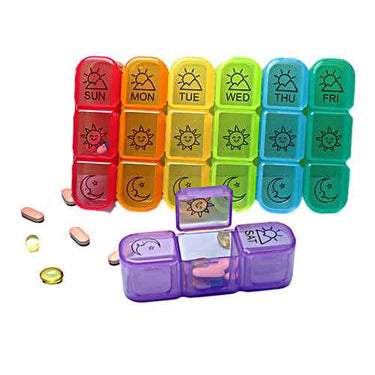
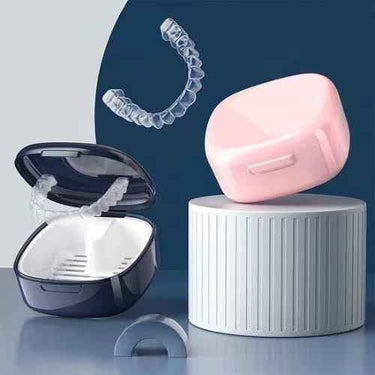


Eco-friendly pill organizers are becoming an important part of sustainable health product design. As consumers and healthcare brands pay more attention to material safety, environmental impact, and long-term usability, pill organizers are no longer viewed as disposable plastic accessories.
This article explores eco-friendly pill organizers from a product, material, and sustainability perspective, helping readers understand how environmentally responsible choices can support both daily medication management and broader sustainability goals.
This content focuses on product design and materials only and does not provide medical or clinical advice.
Sustainability is increasingly influencing purchasing decisions across many industries, including health-related consumer products. Items used daily—such as pill organizers—may appear small, but their cumulative environmental impact can be significant.
From a product and packaging perspective, traditional pill organizers are often made from low-cost plastics designed for short-term use. Frequent replacement contributes to plastic waste and unnecessary resource consumption. By contrast, sustainable alternatives aim to reduce environmental impact throughout the product lifecycle, from material sourcing to disposal.
Choosing eco-friendly options supports a more responsible approach to everyday health management without changing how medications are used or consumed.

From a product development and packaging standpoint, material selection is one of the most overlooked factors in pill organizer sourcing. While design and compartment layout affect usability, material quality determines durability, safety, and environmental performance over time.
In long-term use scenarios, organizers made from higher-quality materials tend to maintain structural integrity better, resist odors, and require fewer replacements—making them more sustainable in practice, not just in theory.
Bamboo is widely used in sustainable consumer products due to its rapid renewability. In pill organizers, bamboo is typically applied as an external structure or shell, often combined with internal linings for moisture resistance.
Bamboo-based pill organizers wholesale solutions are commonly chosen for their natural appearance and reduced reliance on fossil-fuel-based plastics.
Recycled plastics give new life to post-consumer or post-industrial plastic waste. These materials reduce demand for virgin plastic while maintaining functional performance.
When sourced responsibly, recycled plastic pill organizers can offer comparable durability to traditional plastic options while supporting circular economy principles.
Silicone is derived from silica and is valued for its durability, flexibility, and resistance to temperature changes. In product applications, silicone is considered non-toxic and long-lasting.
From a sustainability perspective, longer product lifespan plays an important role. Silicone-based eco-friendly pill organizers are often replaced less frequently, which reduces overall material consumption.
Sustainable materials help minimize plastic waste and reduce reliance on non-renewable resources. Over time, this contributes to lower environmental impact across the supply chain.

Many eco-friendly pill organizers are produced using BPA-free and food-grade materials. While pill organizers are not medical devices, material safety remains an important consideration for products used daily and in close contact with medications.
Durable materials such as bamboo composites and silicone withstand daily opening, cleaning, and transport better than low-grade plastics. This reduces breakage, replacement frequency, and waste generation.
Traditional pill organizers are typically optimized for low upfront cost, often at the expense of longevity and sustainability. Cracking, discoloration, and hinge failure are common issues that lead to frequent replacement.
Eco-friendly alternatives prioritize material performance and product lifespan. While initial costs may be slightly higher, long-term use often results in better value and reduced environmental burden.
When selecting an eco-friendly pill organizer, consider the following non-medical factors:
Material origin and quality
Expected lifespan under daily use
Ease of cleaning and maintenance
Portability and compartment capacity
For brands and distributors, sourcing from reliable manufacturers that offer consistent materials and stable production is essential. Many healthcare brands evaluate sustainable pill packaging solutions alongside organizer design to ensure alignment with environmental commitments.
Proper care extends product lifespan and supports sustainability goals:
Clean regularly using mild soap and water (material-dependent)
Avoid prolonged exposure to heat and moisture
Store in dry, shaded environments
Follow supplier care recommendations for bamboo or silicone materials
Simple maintenance practices help ensure that eco-friendly pill organizers remain functional and hygienic over time.

Sustainable health accessories are evolving alongside material innovation and environmental awareness. Future developments are likely to focus on:
Improved recycled and bio-based materials
Longer-lasting product designs
Reduced packaging waste
Integration of sustainability into supply chain decisions
As sustainability becomes a standard expectation rather than a niche preference, eco-friendly pill organizers will continue to play a role in responsible health product ecosystems.
Eco-friendly pillbox organizers demonstrate how small, everyday products can contribute to more sustainable consumption patterns. By focusing on durable materials, responsible sourcing, and long-term usability, these products support both environmental goals and practical medication organization.
Making informed, material-conscious choices helps align daily routines with broader sustainability values—without compromising functionality.

