


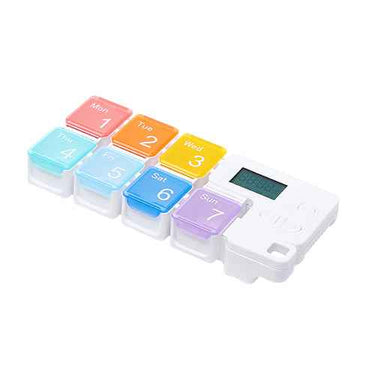
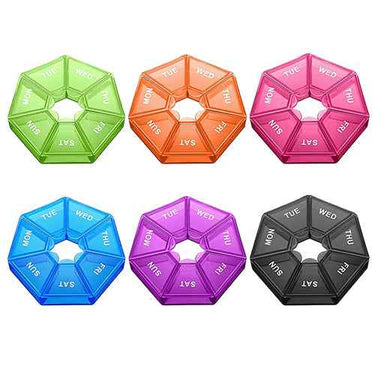





In dental care, orthodontics, and sports protection, retainer cases serve as a critical barrier that protects both high-value dental appliances and daily hygiene standards. For clinics, distributors, and retailers, procurement decisions go far beyond the simple question of “where to buy.” They represent a comprehensive evaluation of cost control, supply stability, and professional reliability. Inefficient sourcing gradually erodes profit margins, while well-informed wholesale decisions help build long-term competitive advantage.
This article moves beyond fragmented advice and focuses directly on the core issue, offering a systematic analysis of procurement channels and explaining the fundamental logic that makes wholesale sourcing indispensable for scalable businesses.

Different procurement channels align with different business models and stages of growth. Their advantages and limitations are not absolute but depend on your operational scale and strategic priorities.
Major distributors offer regulatory compliance and one-stop convenience, making them particularly suitable for medical institutions that prioritize reduced procurement management overhead. However, this convenience often comes with higher brand premiums, limited product selections, and reduced flexibility due to reliance on a small number of partner brands.
Group purchasing organizations (GPOs) operate on leverage. By pooling demand, they reduce supplier pricing power and strengthen negotiating positions. For independent clinics or small chains, this can be an effective way to improve purchasing terms. The trade-off is reduced autonomy, as participants must align with the group’s purchasing schedules and contractual requirements.
Online suppliers and B2B platforms have fundamentally reshaped price transparency and access to global manufacturing. They allow buyers to compare pricing and specifications across hundreds of factories, making them especially effective for sourcing customized Wholesale Retainer Cases, such as private molds, logo printing, or specialized materials like antibacterial plastics. The primary risk lies in quality verification, requiring buyers to assess supplier credentials carefully and manage potential supply chain volatility.
Local retail stores are best suited for emergency replenishment or very small trial orders. For any planned bulk purchase, their limited inventory, uncompetitive pricing, and unstable supply make them unsuitable as a long-term supply chain solution.
When demand shifts from occasional purchases to consistent volume, the structural limitations of retail and fragmented sourcing models become increasingly evident. Wholesale sourcing is not simply about achieving lower unit prices; it is a systematic approach to building an efficient, resilient, and sustainable supply chain.
1. Restructuring Cost Efficiency
The core advantage of wholesale sourcing lies in comprehensive cost optimization. Beyond lower purchase prices, wholesale reduces procurement frequency, simplifies logistics coordination, and minimizes administrative processing time. These cumulative savings can be directly converted into higher profit margins or used to strengthen pricing flexibility in downstream markets.
2. Supply Chain Risk Management
Long-term partnerships with reliable wholesale suppliers provide a built-in buffer against supply disruptions. Professional wholesalers are better equipped to absorb market fluctuations and maintain stable product availability. This continuity is essential for ensuring uninterrupted clinical services or retail operations, a level of stability that fragmented sourcing models cannot consistently deliver.
3. Operational Professionalization and Efficiency Gains
Wholesale partnerships typically include value-added services such as mixed-SKU ordering, batch customization, and packaging optimized for commercial logistics. These advantages reduce internal procurement workload and allow businesses to focus resources on core priorities, including patient care, brand development, and market expansion. Operational efficiency itself becomes a competitive advantage.

Choosing Wholesale Retainer Cases represents a strategic shift from reactive purchasing to proactive supply chain management. Decision-making should extend beyond initial pricing and include a comprehensive evaluation of supplier certifications, quality consistency, fulfillment reliability, and responsiveness.
A qualified wholesale partner should be able to provide material certifications that meet food-grade safety standards while demonstrating the flexibility to support evolving business needs. Before making long-term commitments, small-batch trial orders are strongly recommended to validate the entire process, from communication and production quality control to logistics and delivery performance. Only a supply chain proven through practical testing can serve as a reliable foundation for sustained growth.
Among suppliers that consistently prioritize quality and service, brands such as Pines have earned the trust of institutions worldwide through stable product performance and professional wholesale support. Ultimately, informed buyers select partners capable of translating product reliability into market credibility and transforming supply chain strength into long-term business value.

