


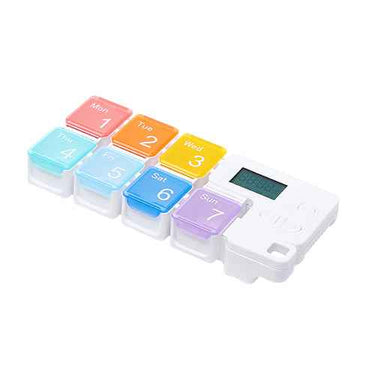
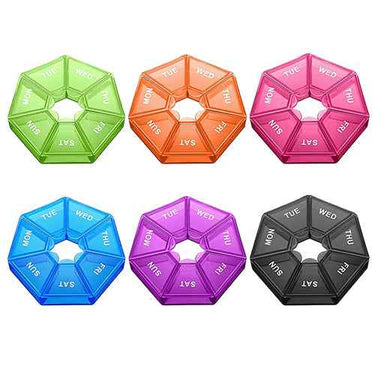
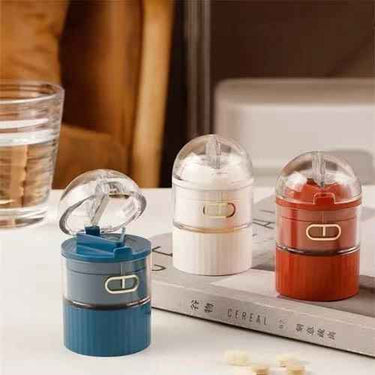
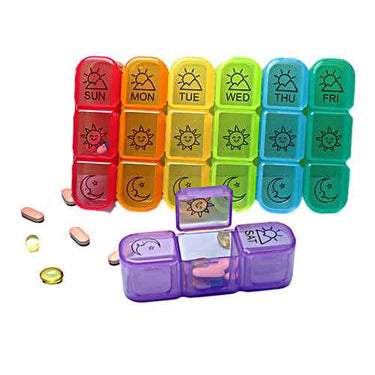

Every morning, do you find yourself staring at a cluster of pill bottles, trying to remember whether you’ve taken your blood pressure medication? Or maybe an elderly family member skips doses altogether because they can’t keep track of which compartment corresponds to which day. This is not a minor issue. Studies suggest that over 50% of chronic disease patients experience missed or incorrect doses, leading directly to poor disease control and increased hospitalization rates.
At that point, a personalized pill organizer is no longer a convenience—it becomes a practical, everyday health management tool.
But with so many pill boxes on the market, why does personalization matter? Isn’t a standard 7-day organizer enough? In this guide, we’ll break it down from five angles: patient experience, healthcare provider benefits, medication safety, customization tips, and gifting value. Follow the logic, and you’ll see why a customized pill organizer is worth serious consideration.
Many people assume a pill organizer is just a plastic box with compartments. But think about it—how many generic pill boxes have you abandoned after a few weeks? The reason is simple: they don’t match your real medication routine.
If you only take one vitamin in the morning, a basic organizer works fine. But real-life medication schedules are rarely that simple. You might take diabetes medication with lunch, a statin before bed, and an additional dose only on certain days of the week. Standard “morning–noon–night” layouts can quickly become confusing.
A custom pill organizer adapts to your exact prescription schedule. You can design it with four daily compartments, detachable daily modules for travel, or flexible weekly layouts. It aligns with your life—not the other way around.
More importantly, it eliminates the “memory trap.” Human brains tend to automate repetitive actions, which leads to doubt. Just like you sometimes question whether you locked the door, you may question whether you took your medication. A personalized organizer replaces memory with visual confirmation. You don’t need to remember—you just check whether the compartment is empty.
Another often overlooked benefit is reduced medication exposure risk. Different drugs have different sensitivities to moisture and light. A personalized system can include sealed compartments, light-blocking sections, or even modular inserts for special storage needs. This is not overengineering—it’s basic medication safety.
Finally, personalization reduces psychological resistance. A pill organizer that reflects your preferences—color, layout, labeling—feels less clinical and more integrated into your daily routine. For long-term patients, that small shift can make a meaningful difference.

Doctors and pharmacists face a constant challenge: they rely on patient self-reporting. When asked, “Did you take your medication as prescribed?” many patients answer, “Mostly.” But “mostly” often means around 70% adherence.
A personalized medication organizer provides traceable adherence. Patients can give precise feedback like, “I missed Thursday evening’s dose because I didn’t have water.” This level of detail allows doctors to adjust treatment plans more effectively.
It also reduces misinterpretation of side effects. Symptoms like dizziness or fatigue may result from inconsistent dosing rather than the medication itself. With clear tracking, healthcare providers can quickly identify whether timing issues are the cause, avoiding unnecessary tests.
For pharmacists, especially those managing chronic conditions, customized organizers become powerful education tools. Labels such as “before meals,” “after meals,” or “with food” simplify complex instructions. For patients taking both traditional and modern medications, separate compartments with time intervals can significantly reduce errors.
In care facilities or home healthcare settings, standardized personalized pill boxes improve workflow. Caregivers can verify medication adherence at a glance, without checking multiple bottles. Distinct designs for different patients reduce mix-ups and improve overall service quality.
Choosing the right organizer is not about price or size—it’s about fit. These practical tips will help you design one that actually works.
1. Start with a one-week medication log.
Track your real schedule before choosing a layout. You may discover that some medications are taken only on certain days. Instead of a large fixed system, a modular design might suit you better.
2. Pay attention to materials.
Low-quality plastic organizers often fail to protect against humidity. Look for medical-grade PP material with silicone seals and individual compartment lids. Smooth interior surfaces also matter, as they prevent residue buildup.
3. Use a flexible labeling system.
Avoid permanent engravings. Medication schedules change. Choose organizers with replaceable label slots and use durable, smudge-resistant labels. For elderly users, combining text with symbols can improve clarity.
4. Design for special medications.
Certain drugs require light protection, refrigeration, or moisture control. A customized organizer can include separate dark containers, insulated compartments, or even humidity indicators when necessary.
5. Consider refill convenience.
Filling the organizer should be easy. Wide openings, rounded edges, and optional filling tools can save time and effort, especially when managing multiple medications.

Even the best pill organizer won’t help if medications are stored incorrectly. Follow these essential safety principles.
1. Do not remove medication from the original packaging too early.
Blister packs protect against air and moisture. Only transfer what you need for one to two weeks.
2. Maintain strict separation between medications.
Even within compartments, accidental mixing can occur if lids open. Keep pills intact and avoid placing split tablets with whole ones.
3. Clean your organizer regularly.
Wash removable parts weekly with warm water, scrub gently, and dry completely. Avoid alcohol or excessive heat, which can damage materials.
4. Use a double-check system when filling.
If possible, have another person verify. If not, fill one medication at a time to reduce errors.
5. Know which medications should not be stored in pill organizers.
Examples include light-sensitive drugs, refrigerated medications, and certain biologics. Always confirm with a pharmacist.
A personalized pill organizer is not just for personal use—it can be a meaningful gift. For parents, partners, or recovering patients, it shows care in a very practical way.
It communicates: “I care about your health, and I’ve taken the time to understand your routine.”
Instead of choosing a generic product, consider their habits. Do they travel often? Do they need larger compartments? Do they struggle with vision or dexterity? Tailor the organizer accordingly.
You can also include a handwritten medication guide—listing each drug’s purpose, missed-dose instructions, and emergency contacts. This small gesture adds significant emotional value.
For caregivers, turning weekly medication sorting into a shared routine can also provide emotional support. It’s not just about organization—it’s about connection.

At its core, medication management is about consistency. A well-designed personalized pill organizer doesn’t just store pills—it ensures the right medication is taken at the right time by the right person.
Brands like PINES have developed practical solutions with modular designs, replaceable seals, and user-friendly layouts tailored to real-life needs. But remember, the tool itself is only part of the equation. The real impact comes from understanding your medication routine and removing the friction that prevents consistency.
Take a look at your current setup. If your medications are still scattered in a drawer or an old box, it may be time for a smarter system.

