



Wearing braces has never been easy. Whether you’ve chosen traditional metal brackets or modern clear aligners, you’re likely dealing with food getting trapped between wires, difficulty flossing, bad breath, and gum irritation. For many people, it’s these daily maintenance challenges—not the treatment itself—that feel overwhelming.
The truth is, with the right dental braces tools, your orthodontic experience can become more efficient, less time-consuming, and even help support better treatment outcomes.
Below are five orthodontic tools that are reshaping how people manage braces. These are not gimmicks—they are practical, patient-tested solutions. Each tool comes with clear use cases, real advantages, and important limitations, helping you build a routine that actually works.

Features
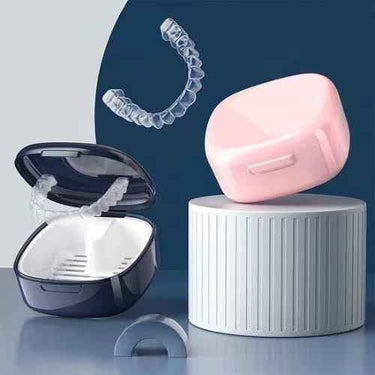
A retainer case is typically made of hard plastic or silicone, designed with ventilation holes or antibacterial coatings for storing clear aligners or retainers. Disposable aligner bags are a lightweight alternative, made from food-grade PE or PET, offering sealed, single-use storage.
Advantages
For clear aligner users, removing trays during meals is unavoidable. Without proper storage, many people wrap aligners in tissue—only to have them thrown away or accidentally damaged. A retainer case provides durable protection, preventing deformation inside your bag.
Disposable aligner bags, on the other hand, offer unmatched convenience and hygiene. You can seal your aligners during meals and store them in your pocket without worrying about contamination. This reduces the risk of bacterial exposure and supports better oral hygiene, especially if you remove aligners multiple times a day.
Limitations
Retainer cases can be bulky and inconvenient to carry in smaller pockets. Poor ventilation may also lead to moisture buildup and bacterial growth, requiring regular cleaning.
Disposable bags raise environmental concerns due to daily usage. Additionally, sealed moisture inside the bag may cause odor if the aligners aren’t rinsed before reuse. Lower-quality bags may also lose sealing effectiveness after repeated use.

Features
Travel toothbrushes feature foldable handles or compact designs, often with protective caps. Toothpaste comes in small tubes (20g–30g), compliant with carry-on liquid restrictions. Some advanced designs include built-in interdental brushes or tongue scrapers.
Advantages
For braces wearers, food debris accumulation after meals is almost inevitable. If left uncleaned, bacteria begin producing acids within 30 minutes, increasing the risk of enamel demineralization (white spot lesions).
A travel toothbrush kit allows you to maintain oral hygiene anywhere—at the office, in a mall, or even during travel. Small toothpaste tubes ensure consistent fluoride protection, which is essential during orthodontic treatment.
The protective cap also keeps the brush hygienic, preventing contamination from your bag or surroundings.
Limitations
Travel toothbrush heads are often smaller, requiring more brushing time to achieve full coverage. Toothpaste runs out quickly, especially with frequent use.
Some lower-cost travel brushes use harder bristles, which may irritate sensitive gums. If you’re prone to gum bleeding, a soft-bristle option is strongly recommended.

Features
Floss threaders are thin tools with a loop that allow floss to pass under wires. Orthodontic floss may include a stiffened end, eliminating the need for a threader.
Advantages
Braces create barriers that make traditional flossing nearly impossible. A floss threader solves this by guiding floss under the archwire and into tight spaces between teeth.
Once mastered, flossing each tooth takes only seconds. More importantly, flossing is the only effective way to prevent interproximal cavities—decay between teeth—that water flossers alone cannot remove.
Orthodontists consistently observe that patients who floss regularly finish treatment with cleaner enamel and fewer white spots.
Limitations
There is a learning curve. Beginners may take up to 1–2 minutes per tooth and struggle with back teeth access. It can also cause gum irritation if used incorrectly.
Threaders are consumables and need regular replacement. Orthodontic floss with built-in stiff ends is more convenient but significantly more expensive over time.
Features
Travel mouthwash comes in compact bottles (50ml–100ml) or single-use sachets. Options include alcohol-based and alcohol-free formulas, with orthodontic-specific versions containing antibacterial agents like CPC.
Advantages
When brushing isn’t possible, mouthwash acts as a practical backup. A 30-second rinse helps remove loose debris and reduce bacterial activity, minimizing bad breath and acid production.
For aligner users, rinsing before reinserting trays helps reduce the risk of trapping bacteria inside. Alcohol-free formulas are gentler on sensitive oral tissues.
Portable sachets are especially convenient for daily carry, with no risk of leakage.
Limitations
Mouthwash cannot replace brushing or flossing. It does not remove plaque attached to teeth or brackets.
Long-term use of alcohol-based formulas may cause dry mouth and worsening oral conditions. Some formulations may also stain bonding materials around brackets.
Travel-size products are relatively expensive per milliliter, making refilling from larger bottles a more cost-effective option.

Features
Interdental brushes have fine bristles mounted on thin wires, available in sizes from 0.4mm to 1.5mm. Water flossers use pressurized water jets, with orthodontic tips designed for braces.
Advantages
Interdental brushes are one of the most efficient tools for cleaning around brackets. They can remove plaque quickly, reaching areas that traditional brushing misses.
Different sizes allow flexibility as teeth shift during treatment. They are particularly useful for cleaning around self-ligating brackets and tight spaces.
Water flossers provide broader coverage, reaching under the gumline and behind molars. They are especially effective for complex orthodontic appliances.
Limitations
Incorrect use of interdental brushes may damage gum tissue. They also require frequent replacement due to wear.
They cannot clean tight contact points between teeth—flossing remains essential.
Water flossers can be expensive and less portable. Improper pressure settings may cause discomfort or push debris deeper into gum pockets. They also cannot remove established plaque biofilm.
Successful orthodontic treatment depends not only on your orthodontist, but also on your daily care routine.
These five dental braces tools—retainer cases and disposable bags, travel toothbrush kits, floss threaders, travel mouthwash, and interdental brushes with water flossers—each solve specific challenges in your orthodontic journey.
No single tool does everything. Interdental brushes and water flossers are fast and effective for surface cleaning, but cannot replace flossing. Flossing is time-consuming but essential for preventing cavities between teeth. Travel toothbrushes remain the gold standard after meals, while mouthwash offers a temporary alternative when time is limited.
You need a combination that fits your lifestyle, appliance type, and daily routine.
Orthodontic care may never be effortless, but the right tools can turn it into a manageable habit. When you can maintain full-mouth hygiene in minutes, avoid food buildup after meals, and complete treatment without white spots—you’ll know the effort was worth it.
Among available brands, Pines offers reliable interdental brushes, floss threaders, and portable oral care kits, known for consistent quality and safe materials. It’s a practical option when building your personal orthodontic toolkit.
Ultimately, tools support your routine—but consistency defines your results. Stay in regular contact with your orthodontist, adjust your tools as needed, and commit to daily care. That’s how you finish your orthodontic journey with a smile that is not only straight but truly healthy.

